How to Overwinter Mugo pine
1
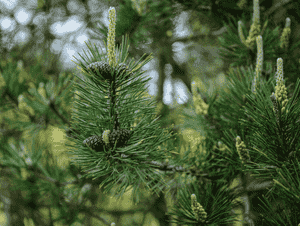
Mugo pine tolerates cold well but still needs to be readied for severe winter weather.
2
Applying a good layer of mulch around Mugo pine helps shield its roots from extreme low temperatures.
3
Sufficient irrigation before the soil hardens guarantees root moisture throughout the winter.
Understanding Mugo pine Frost Hardiness
Understanding Mugo pine Frost Hardiness
The Mugo pine (Pinus mugo) is a popular decorative plant recognized for its resilience, compact form, and evergreen foliage. This species adapts to various climates and demonstrates frost hardiness, meaning it tolerates freezing temperatures quite well. However, comprehending its frost hardiness is crucial for ensuring your Mugo pine thrives throughout the winter. Even robust plants require some care to withstand extended cold periods and severe winter conditions.
Preparing Mugo pine for Winter
Watering Needs
Before the ground freezes, it's essential to ensure your Mugo pine is adequately hydrated. This moisture helps the roots store sufficient water to survive the winter. Water the plant thoroughly, aiming for 20-40 liters (5-10 gallons) depending on the tree's size. Avoid watering just before a freeze, as this could lead to ice formation around the roots, potentially causing damage.
Soil and Mulching
Mulching is an excellent method to shield your Mugo pine's roots from extreme cold. Apply a 7-10 cm (3-4 inches) layer of mulch made from organic materials such as straw, wood chips, or compost around the plant's base. This layer acts as an insulating barrier, maintaining a more consistent soil temperature and reducing the risk of freeze-thaw cycles, which could harm the roots.
Fertilizing Tips
Fertilizing your Mugo pine in late autumn can provide it with the vigor to endure winter. Use a balanced, slow-release fertilizer, and apply it according to the product's instructions. Typically, 30-60 grams (1-2 ounces) per square meter or yard is sufficient. Avoid high nitrogen fertilizers, as these promote new growth that could be damaged by the cold.
How to Protect Mugo pine from Winter Damage
Wind Protection
Cold winds can be harsh on Mugo pine, leading to desiccation and harm. To safeguard your plant, consider erecting a windbreak using burlap screens, fencing, or additional shrubbery. The goal is to lessen wind exposure and thereby minimize water loss through the needles.
Snow Load Management
Heavy snow can weigh down the branches of your Mugo pine, potentially causing them to bend or break. To manage snow load, gently shake off any accumulated snow from the branches after a heavy snowfall. For areas prone to significant snow, you might also consider loosely tying up the branches with soft twine to provide the plant with extra structural support.
Common Winter Pests and Diseases for Mugo pine
Identifying Pests
While Mugo pine is relatively resistant to pests, it can still fall victim to issues like scale insects and aphids. During winter, inspect your plant for any indications of these pests, such as small, raised bumps on the needles (scale) or clusters of tiny insects (aphids). Treat infestations promptly with horticultural oil or insecticidal soap.
Disease Prevention
Fungal diseases like needle cast can impact Mugo pine, especially during wet winter months. To prevent these problems, ensure good air circulation around your plant by pruning any crowded branches and clearing away fallen needles. Fungicidal sprays can be applied as a preventative measure, based on local recommendations and conditions.



