How to Overwinter Pitch pine
1
Pitch pine trees inherently withstand frost, enabling them to endure cold temperatures.
2
Adequate mulching and irrigation are essential for winterizing Pitch pine.
3
Consistent observation throughout the winter period aids in promptly identifying snow damage and infestations.
What Makes Pitch pine Frost-Hardy?
What Makes Pitch pine Frost-Hardy?
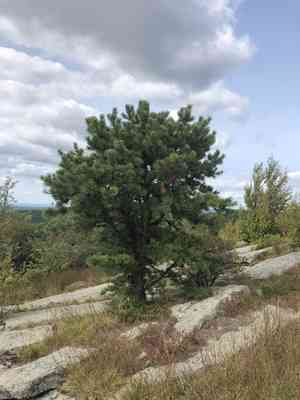
The Pitch pine, a sturdy conifer from North America, is renowned for its exceptional ability to withstand frost. This resilience comes from its natural environment, as it primarily thrives in areas with severe winters. The tree's thick bark and waxy needles are vital in shielding it from extreme cold. Furthermore, its capacity to regenerate even from damaged or severed trunks makes it particularly well-suited to survive freezing temperatures. The Pitch pine's adaptability and regenerative traits are key factors contributing to its frost-resistant nature.
Preparing Pitch pine for Winter
Assessing Tree Health
Before the onset of winter, it's crucial to evaluate the overall health of your Pitch pine. Begin by examining the tree for any indications of illness or harm. Look for discolored needles, unusual growth patterns, or the presence of insects. Remove any dead or diseased branches to prevent the spread of pathogens. Healthy trees are better equipped to endure the colder months, so addressing any health issues beforehand is a critical step.
Mulching Techniques
Mulching is an effective method to safeguard the roots of your Pitch pine from freezing temperatures. Apply a 5-10 centimeter (2-4 inch) layer of mulch around the tree's base, ensuring it extends to the drip line. Organic mulches like wood chips or pine needles are ideal as they offer good insulation and prevent soil moisture loss. Be careful not to pile the mulch against the trunk, as this can lead to rot and other problems.
Watering Schedule
Adequately watering your Pitch pine before the ground freezes is essential for its winter survival. Deep watering ensures that the tree has sufficient moisture to sustain itself throughout the cold period. Aim to provide water until the top 15-20 centimeters (6-8 inches) of soil are moist. Generally, about 38 liters (10 gallons) of water per inch of trunk diameter is a good guideline. Avoid overwatering, as waterlogged soil can harm the roots.
Protection Strategies for Extreme Weather
Using Burlap Wraps
For added protection against winter winds and frost, consider using burlap wraps. Loosely wrap burlap around the tree, creating a barrier against harsh weather. Ensure the burlap is secured but not too tight, allowing air circulation while providing insulation. This method is particularly effective for young Pitch pine trees that are more susceptible to damage.
Windbreak Installation
Installing windbreaks can significantly lessen the impact of strong winter winds on your Pitch pine. Use stakes and burlap or snow fencing to construct a windbreak on the windward side of the tree. This barrier helps to reduce wind speed and prevent windburn or desiccation of the needles. Windbreaks are especially beneficial in open areas where trees are exposed to continuous winds.
Monitoring Pitch pine During Winter Months
Checking for Snow Damage
Snow accumulation can cause considerable damage to Pitch pine trees, especially younger and smaller ones. Regularly check your trees after heavy snowfall. Gently brush off accumulated snow from the branches to prevent breakage. Avoid using force, as frozen branches can easily snap. If ice has formed, it's best to let it melt naturally to prevent further damage.
Inspecting for Pests
Winter is also a time to be vigilant for pests that can harm your Pitch pine. Common pests include bark beetles and pine sawflies, which can remain active during colder months. Inspect the bark and needles for any signs of pest activity or damage. If you detect any pests, consult with a local arborist or extension service for appropriate treatment options.
Spring Recovery for Pitch pine
Gradual Unwrapping
As winter transitions into spring, it's time to gradually remove any protective burlap from your Pitch pine. Begin by taking off the wrap on warmer days, allowing the tree to adjust to the changing temperatures. Be mindful of late frosts and reapply the wrap if necessary. This gradual process helps the tree acclimate without sudden exposure to varying temperatures.
Post-Winter Pruning
After the winter season, inspect your Pitch pine for any damage that may have occurred. Prune away any broken, dead, or diseased branches to encourage healthy growth. Proper pruning ensures that the tree can direct its energy towards producing new growth and maintaining overall vigor. Use sterilized pruning tools to prevent the spread of disease.
Resuming Regular Care
With the arrival of spring, resume your regular tree care routines for Pitch pine. This includes watering, fertilizing, and monitoring for pests and diseases. Ensure that the tree receives adequate water and nutrients to support its post-winter recovery. Regular care throughout the growing season will help your Pitch pine thrive and prepare for the next winter cycle.



