How to Overwinter Common selfheal
1
Common selfheal flourishes in USDA zones 4-9, indicating its broad climatic tolerance.
2
Keep the soil surrounding Common selfheal damp but not saturated throughout the winter months.
3
Applying organic mulch aids in regulating soil warmth and hydration.
Understanding the Frost Hardiness of Common selfheal
Understanding the Frost Hardiness of Common selfheal
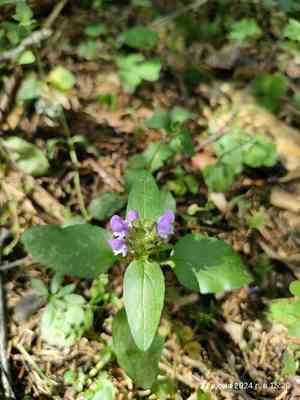
If you're a gardening enthusiast, you're likely familiar with Common selfheal, a resilient herbaceous perennial. Known for its purple flower spikes, this plant thrives in a variety of climates. It's hardy, meaning it can withstand cold temperatures, particularly in USDA zones 4-9. Understanding the frost hardiness of Common selfheal is crucial for successful overwintering. It can handle frost, but extreme temperatures and abrupt changes can stress the plant. Ensuring it's well-prepared will help it thrive when spring arrives.
Preparing Common selfheal for Winter
Trimming and Pruning
Before the first frost, make sure to trim and prune your Common selfheal. This process involves removing dead or diseased stems to encourage healthy new growth. Cut back the plant to about 5 cm (2 inches) above the ground. Not only does this cleanup prepare the plant for the colder months, but it also reduces the chances of pest infestations and diseases during dormancy.
Mulching Techniques
Mulching is a critical step in preparing Common selfheal for winter. Apply a thick layer of organic mulch, such as straw or wood chips, around the base of the plant. This mulch should be about 5-7 cm (2-3 inches) thick. Mulching helps regulate soil temperature, retains moisture, and provides an extra layer of protection against freezing temperatures. This barrier helps in minimizing the stress on the plant during winter.
Watering Regimen
Watering correctly before winter sets in is essential. Ensure the soil is moist up until the ground freezes. Consistent watering helps the plant store the necessary moisture needed during dormancy. However, avoid overwatering, as soggy soil can lead to root rot. A general guideline is to water Common selfheal about 2.5 cm (1 inch) per week, especially during dry spells in late fall.
How to Protect Common selfheal During Extreme Frost
Using Row Covers and Frost Cloths
During extreme frost periods, additional protection might be necessary. Row covers and frost cloths are effective tools. They create a microenvironment around Common selfheal by trapping heat and protecting it from cold winds. These can be easily placed over the plants during night frosts and removed during the day to prevent overheating.
Creating Windbreaks
Wind can significantly increase the impact of cold on plants. Creating windbreaks around your garden can protect Common selfheal. Use burlap screens or temporary fences to block harsh winds. Position these windbreaks strategically around the plants to ensure maximum protection without obstructing sunlight.
Post-Winter Care for Common selfheal
Inspecting for Damage
Once winter has passed, inspect your Common selfheal for any damage. Look for signs of frostbite on leaves and stems. Prune any damaged or dead parts to encourage new growth. This inspection helps in determining the plantâs health and prepares it for the upcoming growing season.
Spring Feeding and Fertilizing
In early spring, giving your Common selfheal a nutrient boost can promote healthy growth. Use a balanced, slow-release fertilizer to provide essential nutrients. This helps the plant recover from winter dormancy and supports vigorous new growth. Generally, a 10-10-10 (N-P-K) fertilizer works well.
Resuming Regular Watering and Care
As temperatures warm up, resume regular watering practices. Increase the water frequency to match the plant's growth rate, ensuring the soil remains consistently moist but not waterlogged. Continue with regular care, including occasional pruning and mulching, to keep your Common selfheal healthy and thriving throughout the growing season.



