How to Overwinter Western brackenfern
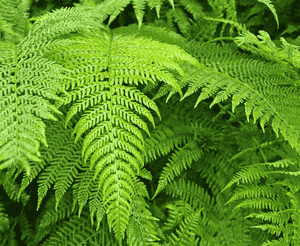
1
Western brackenfern thrives in spots with filtered light, even in colder seasons.
2
A 5 cm (2-inch) layer of organic material can shield your Western brackenfern's root system from freezing temperatures.
3
Keep the soil somewhat damp but not saturated when overwintering indoors.
What is Overwintering for Western brackenfern?
What is Overwintering for Western brackenfern?
Overwintering refers to the process of preparing and safeguarding plants to ensure their survival through the cold winter months. For Western brackenfern, a robust and resilient species, implementing the correct measures can guarantee its vigorous and healthy return in spring. Whether your Western brackenfern is kept indoors or outdoors during winter, specific methods and precautions must be followed to shield it from potential winter damage.
Preparing Western brackenfern for Winter
Assessing Plant Health
Prior to winter's arrival, it is vital to evaluate the health of your Western brackenfern. Examine the fronds for any indications of disease or pest infestations. Healthy plants are more likely to endure the winter, so it's important to resolve any problems before the cold weather sets in. Look for discolored fronds or unusual marks, and remove any affected parts to stop the spread of disease.
Pruning and Cleaning
Once you've evaluated its health, the next step is to prune and clean your Western brackenfern. Remove any dead or damaged fronds to reduce the plant's energy expenditure. This also helps prevent pests from using the debris as shelter. Clear the area around the plant by removing fallen leaves and other organic matter to lower the risk of fungal diseases.
Indoor Overwintering for Western brackenfern
Choosing the Right Location
If you're bringing your Western brackenfern indoors for the winter, select a location that emulates its natural environment. A spot with indirect sunlight is ideal, as direct sun can be too intense for this shade-loving plant. A north-facing window or a well-lit room away from direct sun rays is perfect. Ensure the location has good air circulation to prevent mold and mildew.
Managing Indoor Climate
Indoor climates can be considerably drier than outdoor environments, especially with indoor heating. Maintain a moderate humidity level around your Western brackenfern by using a humidifier or placing a tray of water near the plant. The temperature should ideally be between 15-18°C (59-64°F). Water the plant moderately, ensuring the soil stays slightly moist but not waterlogged to prevent root rot.
Outdoor Overwintering Tips for Western brackenfern
Mulching Techniques
Applying a layer of mulch is an effective way to shield the roots of your Western brackenfern from cold temperatures. Use organic mulch like straw, leaves, or wood chips. A 5 cm (2-inch) layer should suffice, but in areas with extremely cold winters, you may want to add a bit more. Mulching helps maintain soil temperature and moisture levels, acting as an insulator.
Winter Coverings
In addition to mulching, consider using winter coverings to provide an extra layer of protection. A frost cloth, burlap, or even an old sheet can be draped over the fern during nights with extreme cold. Make sure to remove the covering during the day if temperatures rise above freezing to prevent excess moisture buildup, which can lead to fungal issues.
Common Overwintering Issues and Solutions
Root Rot Prevention
One of the common issues during overwintering, especially when indoors, is root rot caused by overwatering. To prevent this, ensure your Western brackenfern is planted in well-draining soil and that you allow the top layer to dry out between waterings. Keep an eye on the plant's health; yellowing fronds can be an early sign of root rot.
Pest Management
Pests can be a problem for Western brackenfern during winter. Indoor environments can attract pests like spider mites and aphids. Regularly inspect your plant and, if pests are spotted, treat them with neem oil or insecticidal soap. Additionally, maintaining proper humidity levels can help prevent spider mite infestations, as they prefer dry conditions.



