How to Overwinter White oak
1
White oak trees possess inherent frost resistance, allowing them to withstand cold periods effectively.
2
Apply a 5-10 cm (2-4 inch) layer of organic material around the base to insulate your White oak's root system.
3
Consistently observe and control pests throughout the winter season to avoid harm.
What Makes White oak Trees Frost Hardy?
What Makes White oak Trees Frost Hardy?
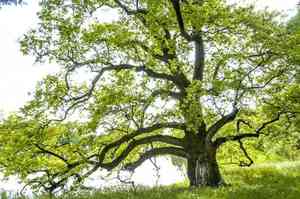
The White oak tree (Quercus alba) is well-known for its remarkable resilience during colder periods. Originating from North America, these grand trees naturally flourish in diverse climates, demonstrating their strength against frost. A key factor contributing to their frost-hardiness is the tree's capacity to gradually adapt to decreasing temperatures as seasons change. This progressive adjustment process helps the tree strengthen its tissues, making them less vulnerable to freezing harm. Furthermore, White oak trees possess a deep and extensive root system, enabling them to access moisture and nutrients even when surface conditions are harsh. This combination of gradual adaptation and robust root structure ensures that White oak trees remain healthy and vibrant throughout winter.
Pre-Winter Preparation for White oak Trees
Soil Preparation
Preparing the soil for winter is a vital initial step in ensuring your White oak tree remains healthy. Start by testing the soilâs pH and nutrient levels to determine if any modifications are necessary. White oaks prefer slightly acidic to neutral soil (pH 5.5 to 7.0). If the soil lacks nutrients, consider incorporating organic compost or a slow-release granular fertilizer. This will supply the essential nutrients to the tree throughout the winter. Also, ensure the soil drains effectively to prevent waterlogging, which can lead to root rot during the colder months.
Watering Schedule Adjustments
Modifying your White oak's watering routine before winter arrives is crucial. As temperatures fall, decrease the frequency of watering but ensure deep irrigation sessions. A good guideline is to water the tree deeply once every 3-4 weeks, ensuring the soil is moist but not saturated. Make sure the final deep watering occurs before the ground freezes; this helps prevent roots from drying out and provides a moisture reserve the tree can access during winter.
Mulching Techniques
Mulching is an effective method to insulate your White oak treeâs roots and retain soil moisture. Apply a 5-10 cm (2-4 inch) layer of organic mulch, such as wood chips or straw, around the tree's base, extending to the drip line. Be sure to keep the mulch several centimeters (inches) away from the trunk to prevent bark rot and rodent damage. Mulching helps regulate soil temperature, reduce water loss, and protect roots from the freeze-thaw cycles common during winter.
Winter Care for White oak Trees
Insulation Methods
In addition to mulching, you can employ extra insulation methods to safeguard your White oak during severe winter conditions. Wrapping the trunk with burlap or tree wrap can protect against sunscald and pest infestation. For young trees, consider using stakes to support the tree and prevent it from bending or breaking under heavy snow or ice.
Monitoring Tree Health
Regularly observing your White oak for indications of stress or damage is essential throughout the winter. Look for symptoms like cracking bark, discolored leaves, or unusual drooping. These signs can point to issues such as frost damage, dehydration, or pest infestation. Addressing these problems promptly can prevent long-term harm to the tree.
Pest and Disease Management
Even during the winter months, pests and diseases can impact White oak trees. Common pests include scales, borers, and mites, which can cause significant damage if left untreated. Regularly inspect the tree for signs of infestation, and treat promptly with horticultural oil or appropriate pesticides. Winter is also an opportune time to clear fallen leaves and debris around the tree base to prevent fungal diseases and overwintering pests.
Post-Winter Care for White oak Trees
Assessing Winter Damage
As winter recedes, evaluate your White oak tree for any damage sustained during the cold months. Look for broken branches, frost cracks, or any signs of pest and disease infestation. Promptly address any damage to prevent further deterioration and support the treeâs recovery.
Spring Pruning
Spring is the ideal time to perform more extensive pruning on your White oak. Prune away any damaged or dead branches, and shape the tree to encourage healthy new growth. Remember to use clean, sharp tools to make precise cuts and minimize the risk of introducing pathogens.
Fertilizing and Soil Amendments
After the winter, consider fertilizing your White oak to boost its growth for the upcoming season. Use a balanced, slow-release fertilizer to provide essential nutrients, applying it according to the manufacturer's instructions. Additionally, re-test the soilâs pH and amend as necessary to ensure optimal growing conditions.



