How to Overwinter Bur oak
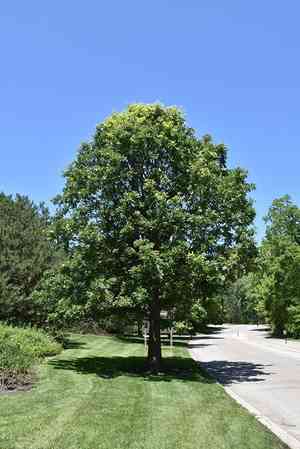
1
Bur oak trees are exceptionally resilient, tolerating temperatures down to -30°C (-22°F).
2
Appropriate mulching is vital for maintaining soil hydration and safeguarding Bur oak roots in winter.
3
Frequent checks of your Bur oak for winter damage indicators can avert lasting issues.
What is Overwintering and Why is it Important for Bur oak?
What is Overwintering and Why is it Important for Bur oak?
Overwintering refers to the practice of preparing plants to survive the colder winter months. For Bur oak, a resilient tree capable of enduring harsh cold, this process ensures its ongoing health and development throughout the year. Although Bur oak is frost-hardy, specific measures can prevent potential harm from extreme weather, foster robust health, and guarantee a strong start in spring.
Preparing Your Bur oak for Winter
Inspecting Your Tree for Health
Before the onset of winter, it's crucial to examine your Bur oak for any indications of disease, pests, or structural damage. Look for irregularities in the bark, foliage, and branches. Address any issues discovered to prevent their escalation during the colder period.
Pruning and Cleaning
Pruning is a vital step in readying your Bur oak for winter. Remove any dead or diseased branches to encourage vigorous growth in the spring. Additionally, clear away any fallen leaves or debris from the tree's base to deter pests and diseases from establishing themselves.
Watering Needs Before Winter
In the weeks preceding winter, ensure your Bur oak is adequately hydrated. Provide the tree with a thorough watering if there has been insufficient rainfall, as this aids its resilience against severe winter conditions. Aim for approximately 10-15 liters (2-4 gallons) of water per deep watering session.
Mulching Around the Base
Mulch is crucial for safeguarding Bur oak roots during winter. Apply a 5-10 cm (2-4 inch) thick layer of organic mulch, such as wood chips or straw, around the tree's base. This helps retain soil moisture and offers protection against freezing temperatures.
How to Protect Bur oak from Extreme Weather
Windbreaks and Barriers
Strong winds can be detrimental to any tree. Erecting windbreaks like fences or utilizing natural barriers such as shrubs can help shield your Bur oak from harsh winds and cold drafts.
Covering the Soil
To further insulate the Bur oak's roots, consider adding a layer of straw or leaves over the soil. This extra covering helps maintain a more consistent soil temperature and prevents excessive freeze-thaw cycles, which can harm the roots.
Monitoring Bur oak During Winter
Checking Soil Moisture Levels
Even in winter, it's important to monitor the soil moisture levels around your Bur oak. Ensure that the soil is neither excessively dry nor waterlogged. Depending on the weather, you may need to water occasionally, especially during extended dry periods.
Inspecting for Winter Damage
Regularly check your Bur oak for signs of winter damage, such as broken branches or cracked bark. Early detection of problems allows for prompt intervention, ensuring the tree's continued health.
Preparing Bur oak for the Transition to Spring
Gradual Exposure to Warmer Temperatures
As winter begins to recede, gradually expose your Bur oak to warmer temperatures. Avoid sudden exposure by removing mulches and protective barriers slowly over days or weeks, depending on the weather forecast.
Adjusting Watering and Feeding
As temperatures rise, begin to modify your watering schedule. Resume regular watering and initiate a feeding regimen to support new growth. Use a balanced, slow-release fertilizer to promote healthy development.



