How to Overwinter Pin oak
1
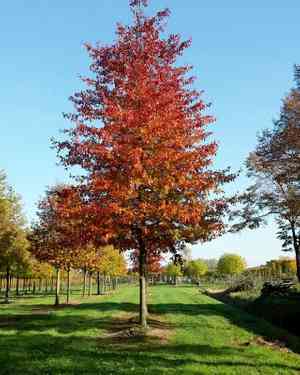
A fully grown Pin oak can attain elevations of 18-24 meters (60-80 feet), establishing it as a prominent element in any outdoor setting.
2
Pin oak trees possess remarkable resistance to frost, enabling them to endure low temperatures without harm.
3
Appropriate mulching safeguards your Pin oak's root structure by preserving soil hydration and shielding against extreme cold.
What Makes Pin oak Hardy for Winter?
What Makes Pin oak Hardy for Winter?
The Pin oak tree, known scientifically as Quercus palustris, is celebrated for its remarkable resilience during colder periods. Originating from North America, this oak variety is naturally equipped to endure winter's harsh conditions. Its strong build is largely due to its deep root system, which secures water and nutrients even when the topsoil is frozen. Furthermore, the tree's dense canopy and tough bark offer excellent defense against severe winter winds and freezing temperatures. Understanding these inherent traits can assist gardeners in optimizing their care approaches.
Prepping Your Pin oak for Winter
When to Start Preparing
Initiating your preparations early can significantly impact how well your Pin oak survives the winter. Ideally, begin your preparatory work in late autumn, once the tree has entered dormancy. This timeframe, typically around October or November, allows you to address any immediate requirements before the first frost arrives.
Necessary Tools and Supplies
While preparing your Pin oak, ensure you have the following implements and materials ready: Pruning shears A robust watering can or garden hose High-quality mulch Tree wrap material These items are essential for implementing effective winter care practices such as trimming dead or diseased branches, ensuring sufficient hydration, and insulating the tree's roots.
Steps for Overwintering Pin oak
Pruning Guidelines
Pruning is a crucial step in readying your Pin oak for winter. Remove any dead, damaged, or diseased branches to prevent them from causing issues during winter storms. It's also an opportune moment to shape the tree. Be sure to use clean, sharp pruning shears to make smooth cuts, which aid in faster healing and reduce the risk of infection.
Watering Needs
Even though Pin oaks are resilient, they still require adequate water before the ground freezes. Water deeply, ensuring soil moisture penetrates at least 30-45 cm (12-18 inches) deep. This will help support root health throughout the winter. However, avoid saturating the soil, as this can lead to root rot.
Wrapping and Mulching
Wrapping and mulching can significantly boost the tree's winter endurance. Use a breathable tree wrap to shield the trunk from frost cracks and sunscald. Additionally, apply a 5-10 cm (2-4 inches) layer of mulch around the base, extending to the drip line. Mulching helps retain soil moisture and insulates the root system against the cold. Be sure to avoid piling mulch against the trunk to prevent rot.
Post-Winter Care for Pin oak
Assessing Winter Damage
Once winter concludes and temperatures begin to rise, carefully inspect your Pin oak for any signs of damage. Look for cracked bark, broken branches, or any indications of disease. Evaluating and addressing these issues early in the spring will aid in the tree's recovery process.
Springtime Pruning and Feeding Tips
Spring is ideal for another round of pruning to remove any winter-damaged branches. Additionally, a balanced, slow-release fertilizer can revitalize your tree, promoting healthy growth and replenishing vital nutrients. Apply according to package instructions, ensuring not to over-fertilize, which can harm rather than help your Pin oak.



