How to Overwinter Willow oak
1
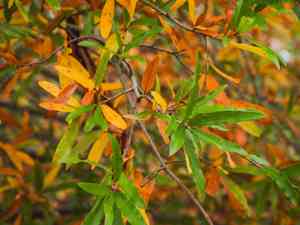
Willow oak is recognized for its narrow, willow-like foliage, which brings a distinct texture to outdoor spaces.
2
A fully grown Willow oak can attain elevations of 18-24 meters (60-80 feet), offering ample shade.
3
These trees are resilient and can withstand temperatures down to -30°C (-22°F).
Understanding Willow oakâs Hardiness
Understanding Willow oakâs Hardiness
The Willow oak, a member of the red oak group, is known for its remarkable strength and adaptability. It thrives in USDA zones 5 through 9, capable of withstanding temperatures as low as -30°C (-22°F). Its resilience makes it an excellent choice for various landscapes, including areas with cold winters. However, even the toughest trees can benefit from extra care during harsh winter months to ensure their health and vitality.
Prepping Your Willow oak for Winter
When to Start Preparing
Begin preparing your Willow oak for winter in early autumn. This timing allows the tree to gradually adjust to falling temperatures. Look for indicators like leaves changing color and the first hints of frost in the forecast. Starting early provides ample time to implement necessary measures before the first heavy frost.
Clearing and Mulching Around the Base
Remove fallen leaves, twigs, and debris from around the tree's base to prevent diseases and pests. Once clean, apply a generous layer of mulch, about 5-8 cm (2-3 inches) thick, around the base, extending to the tree's drip line. Mulching insulates the soil, retains moisture, and protects roots from freezing temperatures.
Watering Before the First Frost
Ensure your Willow oak is well-hydrated before the ground freezes. Water thoroughly, providing approximately 3.8-7.6 liters (1-2 gallons) of water per inch of trunk diameter. This deep watering helps the tree maintain hydration throughout winter when the ground is frozen and water is less available.
Protecting Willow oak From Harsh Conditions
Using Tree Wraps
Apply tree wraps or burlap around the trunk of your Willow oak. Start wrapping from the base upwards, stopping just below the lowest branches. This practice helps prevent sunscald and frost cracks during winter. Wraps also protect the tree from small animals like rabbits and deer that might chew on the bark.
Creating Windbreaks
Set up windbreaks using burlap, wooden panels, or other materials to shield your Willow oak from strong winter winds. Position them on the side of the tree facing prevailing winds to reduce the risk of desiccation and physical damage. Effective windbreaks can significantly maintain your tree's health.
Preventing Snow and Ice Damage
Avoid heavy snow and ice accumulation on branches by gently brushing off snow with a broom or similar tool. Be careful not to break any branches. For ice, let it melt naturally to prevent damaging the tree's structure. Ice can cause significant weight and stress on branches, leading to potential breakage.
Monitoring Willow oak During Winter
Regular Inspections and Signs of Distress
Throughout winter, regularly inspect your Willow oak for signs of distress such as discolored bark, cracks, or broken branches. Identifying and addressing issues early can prevent minor problems from becoming severe. If you notice anything unusual, consult a local arborist for advice and intervention.
Adjusting Care for Unusual Weather
Winter weather can be unpredictable. Be prepared to adjust your care routine in response to unusual weather conditions. For instance, extended warm spells in winter might require additional watering, while unexpected heavy snowfall might necessitate further snow removal efforts. Maintain a flexible approach to tree care.
Post-Winter Care for Willow oak
Assessing Any Winter Damage
After winter has passed and temperatures begin to warm, inspect your Willow oak for any winter damage. Look for signs such as cracked bark, broken branches, or disease. Prune any damaged branches to promote healthy new growth. If you notice extensive damage, it might be beneficial to consult a professional arborist.
Gradually Resuming Regular Care
As spring arrives, gradually transition back to your regular care routine. Remove any tree wraps and windbreaks, and begin normal watering and fertilizing schedules. This cautious resumption helps the tree transition smoothly to the growing season, promoting health and vigor after the challenging winter months.



