How to Overwinter Smooth sumac
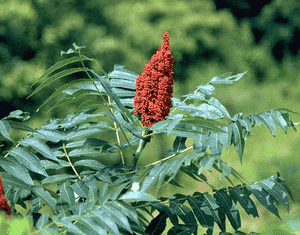
1
Smooth sumac tolerates frost well and endures cold winters with little care.
2
Trimming Smooth sumac in late fall reduces winter harm and encourages robust spring development.
3
A substantial mulch layer can shield Smooth sumac's roots from freezing conditions.
Why Overwinter Smooth sumac?
Why Overwinter Smooth sumac?
Overwintering Smooth sumac (Rhus glabra) guarantees the plant's ongoing well-being and vigor through colder periods. While Smooth sumac is cold-tolerant, extra measures can safeguard it from severe winter harm and promote strong growth come spring.
Preparing Smooth sumac for Winter
Pruning and Trimming
Pruning is crucial for getting your Smooth sumac ready for winter. Prune in late autumn, focusing on removing dead or diseased stems and keeping the plant a manageable size. This step lowers the risk of winter damage from heavy snow and ice, which can break branches and weaken the plant.
Cleaning and Debris Removal
Clear the area around your Smooth sumac by removing fallen leaves, twigs, and other detritus. This not only keeps your garden neat but also reduces the chance of pests and diseases that thrive in decaying organic matter. A clean base around the plant improves air circulation and lessens the likelihood of fungal issues.
Soil Amendment
Improve the soil around your Smooth sumac by adding a layer of compost or well-rotted manure. This enhances soil structure, provides essential nutrients, and supports root health. A robust root system is vital for the plant's ability to endure winter stresses. Spread a 5â7 cm (2â3 inch) layer around the plant's base, being careful not to cover the stem directly.
Protecting Smooth sumac from Frost
Mulching Techniques
Mulching effectively shields the roots of your Smooth sumac from frost. Apply a thick layer of organic mulch, such as straw, wood chips, or shredded leaves, around the plant's base. Aim for a depth of about 7.5â10 cm (3â4 inches). This insulation helps maintain soil temperature and moisture, preventing root freezing and dehydration.
Burlap Wrap Method
For added protection, consider wrapping your Smooth sumac in burlap. This method protects the plant from harsh winds and extreme cold. To apply, simply drape burlap loosely over the plant and secure it with twine. Ensure good air circulation to prevent mold, and avoid plastic covers, which can trap moisture and cause rot.
Positioning for Optimal Sunlight
If your Smooth sumac is potted or in a movable container, place it in a spot that receives maximum winter sunlight. While Smooth sumac is frost-hardy, ensuring the plant gets ample sunlight helps it photosynthesize efficiently and remain healthier throughout the winter.
Maintaining Smooth sumac Health During Winter
Watering Requirements
Although Smooth sumac is relatively drought-tolerant, it still needs some moisture during winter. Water the plant deeply before the first significant frost, ensuring the soil is moist but not waterlogged. During winter, water sparingly as needed, especially during dry periods. Overwatering can lead to root rot, so striking a balance is crucial.
Pest and Disease Management
Regularly check your Smooth sumac for signs of pests or diseases, even in winter. Aphids and other resilient pests can sometimes survive through colder months. Use insecticidal soap or natural predators like ladybugs for control. Additionally, check for fungal infections and treat with appropriate fungicides if necessary.
Common Issues and Solutions for Smooth sumac in Winter
Addressing Frost Damage
If frost damage occurs, prune the affected parts in early spring before new growth begins. This encourages healthy regrowth and minimizes disease spread. Frost damage often appears as browning or blackened tips on branches.
Managing Winter Wilt
Winter wilt, caused by insufficient water, can be remedied by ensuring the plant is well-watered before deep freezes. Mulching also helps maintain consistent soil moisture. If signs of wilt appear, such as drooping or shriveled leaves, reassess your watering schedule immediately.



