How to Overwinter Sugarcane
1
Sugarcane is susceptible to frost damage, necessitating particular attention in colder seasons.
2
Understanding the distinct indicators of seasonal shifts aids in prompt readiness.
3
Applying mulch or building a small greenhouse offers sufficient safeguarding for outdoor Sugarcane plants.
Why Sugarcane Needs Overwintering
Why Sugarcane Needs Overwintering
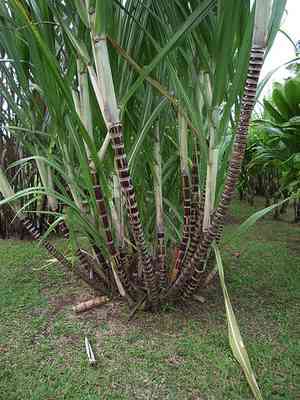
If you cultivate Sugarcane (Saccharum officinarum), you likely understand its preference for warm, tropical climates. However, in regions with cold winters, your Sugarcane will require additional assistance to endure the colder months. As Sugarcane is sensitive to frost, it cannot tolerate freezing temperatures. Without proper overwintering methods, your cherished plants could suffer damage or even perish. Dedicating time to safeguard your Sugarcane during winter guarantees its revival in spring, vigorous and prepared for the new growing season.
When to Start Preparing Sugarcane for Winter
Recognizing the Seasonal Changes
Preparation should commence upon observing the initial indications of seasonal shifts. Monitor declining temperatures and reduced daylight. Typically, in most areas, these alterations occur in late autumn. As soon as nighttime temperatures begin to fall below 10°C (50°F), it's time to act.
Early Signs to Watch For
Beyond dropping temperatures, observe the gradual deceleration of Sugarcane growth and changes in leaf coloration. These early indicators suggest your plant is reacting to changing environmental conditions and requires extra care to survive the impending frost.
What Are the Best Methods to Overwinter Sugarcane?
Detailed Steps for Indoor Storage
One effective strategy to safeguard your Sugarcane is by relocating it indoors. Carefully excavate the plants, taking care not to harm the roots. Place them in spacious pots with adequate drainage, and store these containers in a cool (10-15°C or 50-59°F), dim location, such as a cellar or garage. During this period, water sparingly, just enough to prevent the roots from completely drying out. Periodically inspect for any signs of decay or disease.
Using Mulch for Outdoor Protection
If bringing your Sugarcane indoors isn't feasible, mulching provides a viable alternative for protection. Cover the base of your Sugarcane stalks with a thick layer of organic mulch, such as straw, hay, or leaves, ideally about 15-20 cm (6-8 inches) deep. This layer acts as insulation against freezing temperatures. For an extra layer of defense, you might also place a burlap sack over the mulched area.
Constructing a Mini Greenhouse
For outdoor plants, building a mini greenhouse can offer a controlled environment to keep your Sugarcane secure. Using PVC pipes or wooden frames, create a simple structure around your plants. Cover this frame with clear plastic sheeting, ensuring it is tightly fastened to prevent any drafts. The mini greenhouse will capture solar heat during the day and retain warmth overnight, ensuring your Sugarcane remains in a stable, warmer environment.
What Materials Do You Need to Overwinter Sugarcane?
Essential Tools and Equipment
To successfully overwinter your Sugarcane, you will require a few key items: spades for digging, large pots with good drainage for indoor storage, organic mulch, burlap sacks, PVC pipes or wooden frames, clear plastic sheeting, and ties or clips for securing the greenhouse cover.
Where to Source Quality Mulch and Covers
High-quality mulch can be obtained from local garden centers, nurseries, or even through specialized online garden retailers. Burlap sacks and plastic sheeting are often available at home improvement stores. Always prioritize organic mulch to ensure it's free from chemicals that might harm your plants.
Common Mistakes to Avoid When Overwintering Sugarcane
Overwatering Issues
One of the most frequent errors is excessive watering. During its dormant phase, Sugarcane needs minimal moisture. Overwatering can lead to root rot, which can be detrimental to the plant's health. Provide just enough water to keep the soil slightly damp.
Inadequate Temperature Control
Temperature management is vital. Whether you are utilizing indoor storage or a mini greenhouse, ensure that the temperature remains relatively consistent. Fluctuating temperatures can stress the plants and hinder their ability to survive through winter.
Poor Ventilation Concerns
Ventilation is another crucial factor, especially if you are using a mini greenhouse or indoor storage. Insufficient airflow can lead to mold and mildew growth. Ensure there is some air circulation, but without allowing cold drafts to enter the protected area.



