How to Overwinter Autumn sage
1
Autumn sage flourishes in USDA hardiness zones 7-9.
2
Trim your Autumn sage in late autumn to ready it for the cold season.
3
Apply a mulch layer of 5-10 cm (2-4 inches) to shield the roots from frost.
Understanding Autumn sage Frost Hardiness
Understanding Autumn sage Frost Hardiness
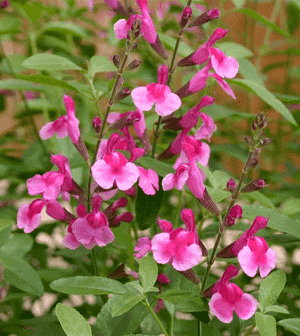
While Autumn sage (Salvia greggii) is known for its resilience, it can still be vulnerable to frost damage, particularly in the colder regions of its hardiness range (USDA zones 7-9). This evergreen to semi-evergreen shrub can withstand mild frost, but prolonged freezing temperatures may harm the plant. Knowing its frost tolerance will help you provide optimal care to ensure its survival through the winter.
Preparing Autumn sage for Winter
When to Start Preparation
Begin winter preparations for Autumn sage in late autumn, ideally before the first significant frost. This timing allows the plant to adapt to changing conditions and provides a head start on any necessary protective measures.
Pruning Techniques
Pruning is a vital step in readying Autumn sage for winter. Cut back the plant to approximately one-third of its original size. Focus on removing any dead or damaged branches to lessen the plantâs overall burden and encourage healthy growth in spring. Itâs best to prune when growth has naturally slowed, typically late fall.
Soil and Mulch Requirements
For optimal winter protection, ensure the soil around your Autumn sage drains well. Standing water can freeze and harm the roots. Apply a layer of mulch about 5-10 cm (2-4 inches) thick around the plant's base. Mulch helps insulate the roots from extreme cold and retains moisture.
Indoor vs. Outdoor Overwintering
Tips for Indoor Overwintering
Bringing Autumn sage indoors is an excellent choice if you reside in an area where temperatures drop significantly. Position the plant in a bright spot, such as near a south-facing window, and reduce watering as the plant will need less moisture indoors. A grow light can also be beneficial if natural light is limited.
Ensuring Outdoor Survival
If you opt to overwinter Autumn sage outdoors, focus on proper insulation and site preparation. Keep the plant in a sheltered location, away from harsh winds and with ample sunlight. Use protective coverings like frost blankets or burlap to add an extra layer of defense during extremely cold nights.
Common Problems and Solutions
Preventing Frost Damage
Protecting your Autumn sage from frost is crucial. Cover the plant with a frost cloth or burlap when forecasts predict frost. For added protection, consider installing a small windbreak around the plant to reduce exposure to cold winds.
Dealing with Pests
Winter can cause pests to seek refuge in your Autumn sage. Watch out for common pests like aphids or spider mites. A gentle water spray or insecticidal soap can help manage minor infestations.
Managing Overwatering
Avoid excessive watering during winter as Autumn sage requires less water when dormant. Ensure the soil is moist but not waterlogged. Overly wet conditions can lead to root rot and other moisture-related issues.
Post-Winter Care for Autumn sage
Assessing Plant Health
As the winter frost recedes, begin evaluating your Autumn sage for any signs of damage. Look for frost-bitten branches or roots and prune them to encourage new growth. Check the plant's overall health and vigor to determine any additional care needed.
Revitalizing Soil
After a long winter, the soil may require rejuvenation. Add compost or a balanced slow-release fertilizer to enrich the soil. Ensuring proper nutrients are available helps your Autumn sage recover robustly.
Encouraging New Growth
To stimulate new growth in spring, lightly prune any winter damage and dead growth. Gradually increase water and light as temperatures rise. This transition period allows Autumn sage to flourish in the warmer months ahead.



