How to Overwinter Peruvian peppertree
1
The Peruvian peppertree tolerates temperatures as low as -5°C (23°F), but extended periods of frost may harm it.
2
Confirm adequate drainage in your pot to avert root rot over winter.
3
Periodically inspect for pests like scale and address them promptly to prevent outbreaks.
What is Peruvian peppertree?
What is Peruvian peppertree?
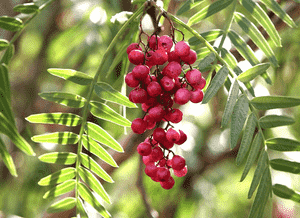
The Peruvian peppertree (Schinus molle) is an evergreen tree indigenous to the Andean deserts of South America. Recognized for its fragrant, feathery leaves and clusters of pinkish-red berries, this plant can bring an exotic touch to any garden. Despite its name, the berries are not true peppercorns but have been utilized as a spice in native cuisines.
Preparing Peruvian peppertree for Overwintering
Assessing the Plant's Health
Prior to winter's arrival, evaluate the health of your Peruvian peppertree. Look for any indications of disease or pests, and address these concerns quickly. Healthy plants have a greater chance of surviving the colder months. Watch for discolored foliage, unusual spots, or weak branches.
Pruning Tips
Pruning your Peruvian peppertree helps avert potential harm from severe frost. Remove any dead or damaged branches and thin out the center to enhance air circulation. Aim to prune in late autumn when the tree is preparing for dormancy. Be sure to use clean, sharp pruning shears for precise cuts.
Watering Guidelines
As temperatures decrease, reduce the amount of water you provide your Peruvian peppertree. Excessive watering can lead to root rot, especially when combined with colder temperatures. Water sparingly, ensuring the soil dries out slightly between watering sessions. Ideally, you should water the tree every 10-14 days, adjusting based on the plant's needs and indoor humidity levels.
Ideal Indoor Conditions for Peruvian peppertree
Temperature and Humidity
The optimal indoor conditions for overwintering Peruvian peppertree involve maintaining a temperature range between 15-20°C (59-68°F). Ensure the area is moist to prevent the foliage from drying out. You can increase humidity by placing a water tray near the plant or using a humidifier.
Lighting Requirements
Peruvian peppertree needs bright, indirect light during the winter months. Position the tree near a south-facing window to ensure it gets sufficient light. If natural light is inadequate, consider using grow lights to provide the necessary illumination.
Soil and Container Selection
Use well-draining soil and a container with drainage holes to prevent waterlogging. A mix of potting soil, sand, and perlite can create an optimal growing medium. The container should be large enough to accommodate the tree's root system but not so large that it retains excess moisture.
Common Problems and Solutions During Overwintering
Leaf Drop
It's common for Peruvian peppertree to experience some leaf shedding during winter. This can be due to changes in light, temperature, or humidity. Ensure the plant is receiving enough light and maintain consistent indoor conditions to minimize leaf loss.
Pest Issues
Indoor environments can sometimes lead to pest infestations, such as scale, spider mites, and aphids. Regularly inspect your Peruvian peppertree for any signs of pests and treat promptly with insecticidal soap or neem oil to prevent infestations from spreading.
Root Rot
Root rot is a serious issue that can occur if the plant is overwatered. Ensure your container has good drainage, and reduce watering to prevent water from sitting in the soil. If you notice symptoms of root rot, such as yellowing leaves and a foul smell from the soil, take action immediately by re-potting the plant in fresh, dry soil and cutting away any affected roots.



