How to Overwinter Little bluestem
1
Little bluestem tolerates cold well, but preparing it for winter can boost its health and strength.
2
Appropriate mulching insulates Little bluestem's roots, protecting them from freezing and harsh temperatures.
3
Excessive winter watering can cause root decay, a frequent problem for Little bluestem.
What is Little bluestem?
What is Little bluestem?
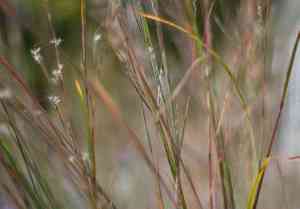
Before discussing overwintering specifics, let's learn about Little bluestem. This perennial warm-season grass is recognized for its striking blue-green leaves that change to a beautiful reddish-orange in autumn. Native to North America, it's a popular choice for both decorative purposes and natural landscaping. Its drought tolerance and low maintenance needs make it a particularly attractive option for gardeners. Depending on the variety, Little bluestem can reach a height of 0.6-1.2 meters (2-4 feet) and spread approximately 0.3-0.6 meters (1-2 feet).
Preparing Little bluestem for Winter
When to Start Preparation?
Timing is crucial when preparing your Little bluestem for winter. Begin preparations in late fall, typically around November, as temperatures start to fall but before the first frost. This timing ensures the plant has fully transitioned from active growth to dormancy, making it easier to manage.
Cutting Back the Grass
One of the initial steps in winter preparation involves trimming the grass. Cut the stalks to about 15-20 cm (6-8 inches) above ground level. This helps remove dead or dying foliage, reducing the risk of pests and diseases during the colder months. Be sure to use clean, sharp tools for precise cuts, promoting healthy regrowth.
Mulching Tips and Techniques
Mulching is vital for protecting Little bluestem's root system from freezing temperatures. Apply a 5-7.5 cm (2-3 inches) layer of organic mulch, such as straw, shredded leaves, or wood chips, around the plant's base. This acts as an insulating layer, maintaining soil temperature and moisture levels. Avoid piling mulch directly against the stems to prevent rot.
Caring for Little bluestem During Winter
Watering Needs in Winter
Watering Little bluestem during winter requires careful management. The plant needs less water while dormant, so reduce irrigation to only when the soil feels dry to the touch, approximately every 3-4 weeks. Overwatering can lead to root rot, a common issue during cold periods. Always ensure the soil has proper drainage to prevent water from accumulating around the roots.
Protection from Freezing
While preparing your Little bluestem for winter, consider the effects of freezing temperatures. Use burlap or frost cloth, wrapping it around the entire plant for an extra layer of protection, especially during severe cold snaps. Securing the mulch with garden stakes can also help in windy conditions.
Common Problems and Solutions in Overwintering Little bluestem
Dealing with Pests and Diseases
Although Little bluestem is relatively resistant to pests and diseases, it is not entirely immune. During winter, check for signs of mold or mildew, particularly in humid areas. Ensure adequate air circulation around the plant to prevent these problems. If pests like aphids are observed, treat them using insecticidal soap or neem oil.
Preventing Root Rot
Root rot can be a significant concern during the winter months. To prevent this, ensure the soil drains well and avoid excessive watering. Raised beds or well-drained garden areas can help keep roots dry. If you suspect root rot, reduce watering immediately, and consider lifting and replanting the affected Little bluestem in a location with better drainage.



