How to Overwinter False christmas cactus
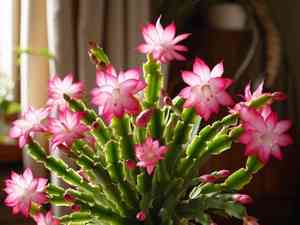
1
False christmas cactus is susceptible to frost, requiring extra care in colder seasons.
2
Optimal indoor environments feature temperatures ranging from 15-21°C (60-70°F) and average humidity levels.
3
Excessive watering can be fatal in winter; ensure the soil dries completely before re-watering.
What Does It Mean to Overwinter False christmas cactus?
What Does It Mean to Overwinter False christmas cactus?
Overwintering involves preparing and caring for your False christmas cactus to ensure its survival and vitality throughout the colder months. Many plants enter a dormant state or exhibit slower growth in winter, and specific care can lessen the impact of lower temperatures and reduced light.
Why False christmas cactus Needs Special Care During Winter
Understanding Its Frost Tender Nature
The False christmas cactus is renowned for its beautiful, often vibrant flowers, but it is also notably sensitive to frost. This means it cannot endure freezing temperatures and requires a warm environment to survive the winter.
Natural Habitat and Winter Challenges
In its native environment, the False christmas cactus thrives in tropical conditions with stable temperatures and humidity. Winter presents a significant challenge as indoor heating can dry the air, and drafts from windowsills can introduce cold air. These changes necessitate careful management to maintain the plant's health.
How to Prepare False christmas cactus for Overwintering
Step-by-Step Preparation Guide
Begin by inspecting for any pests or diseases and treating them appropriately. Gradually adapt the plant to indoor conditions by bringing it inside before the first frost. Reduce watering frequency as the plant's growth diminishes. This is also an opportune time to prune any dead or unhealthy parts.
Ideal Indoor Conditions
Position your False christmas cactus in a spot with bright, indirect illumination. Avoid direct sunlight, which can scorch its foliage. A room temperature between 15-21°C (60-70°F) is optimal. Humidity should be moderate, around 40-50%, achievable with a humidifier or a pebble tray.
Should You Fertilize False christmas cactus in Winter?
Understanding Dormancy Period
The winter months represent a dormant phase for the False christmas cactus, during which its growth slows considerably. At this time, the plant's nutritional needs decrease.
Recommended Fertilization Practices
It is best to refrain from fertilizing during winter. Resume feeding with a balanced, water-soluble fertilizer diluted to half strength in early spring when new growth emerges. This promotes a healthy blooming cycle.
How to Address Common Winter Issues for False christmas cactus
Dealing with Temperature Fluctuations
Temperature variations can stress your plant. Keep it away from drafty windows or doors, and avoid placing it near heating vents. A stable environment will help preserve its well-being.
Pest and Disease Management
Be vigilant for common pests such as spider mites and mealybugs. If you observe signs of infestation, isolate the plant and treat it with a mild insecticidal soap. Fungal problems can result from overwatering, so ensure the soil drains well and only water when necessary.
When and How to Reintroduce False christmas cactus Outdoors
Timing the Move
Wait until after the last spring frost to relocate your False christmas cactus outdoors. Nighttime temperatures should consistently remain above 10°C (50°F).
Reacclimation Process
To prevent shock, gradually accustom the plant to outdoor conditions. Start by placing it in a shaded area and slowly exposing it to more light over 7-10 days. Monitor the plant for any signs of stress during this transition.



