How to Overwinter Satin pothos
1
Satin pothos comes from the hot, damp jungles of Southeast Asia, so it's vulnerable to low temperatures.
2
It flourishes in diffused light and performs well under artificial illumination, making it ideal for indoor settings.
3
Misting the foliage often can assist in preserving the moisture levels that Satin pothos favors.
The Importance of Overwintering Satin pothos
The Importance of Overwintering Satin pothos
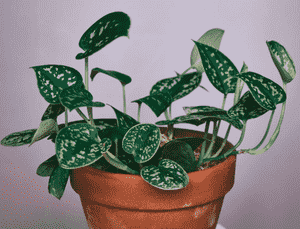
If you own a beautiful Satin pothos, you appreciate how its silver-speckled foliage brightens any area. However, this delicate plant originates from the warm regions of Southeast Asia and struggles in cold weather. Overwintering your Satin pothos is vital to maintain its health and vibrancy through the colder seasons. Providing proper overwintering conditions helps prevent stress and keeps your plant thriving until warmer weather returns.
Preparing Satin pothos for Indoor Winter Care
Checking the Plant for Pests
Before bringing your Satin pothos indoors, it's crucial to inspect for any pests that might enter your home. Examine the leaves, stems, and soil for signs of insects or disease. Aphids, spider mites, and mealybugs are frequent pests, so look for small webs, sticky residue, or tiny crawling insects. If pests are found, treat the plant with insecticidal soap or an appropriate organic pesticide before moving it inside.
Trimming and Cleaning the Foliage
Pruning helps Satin pothos maintain its form and removes any dead or yellowing leaves that could harbor pests. Using clean, sharp shears, trim away any damaged foliage and spent stems. Additionally, wipe the leaves with a damp cloth to remove dust and residues, which can hinder light absorption and photosynthesis. Ensuring your plant is clean and healthy will promote better indoor growth.
Selecting the Right Pot and Soil Mixture
Satin pothos thrives in a well-draining soil mix. A recommended blend includes equal parts potting soil, perlite, and peat moss. Choose a pot with drainage holes to prevent waterlogged soil, which can lead to root rot. If repotting, ensure the new pot is only slightly larger than the current one to avoid excessive soil, which can retain too much moisture.
Establishing the Ideal Indoor Environment
Optimal Temperatures for Satin pothos
Satin pothos flourishes in temperatures between 18-24°C (65-75°F). Keep it away from cold drafts, heating vents, and temperature fluctuations to avoid stress. If the temperature drops below 10°C (50°F), the plant may suffer cold damage, so consider this when choosing its indoor placement.
Maintaining Humidity Levels
As a plant from humid rainforests, Satin pothos prefers humidity levels of about 40-60%. During winter, indoor air tends to be dry, so placing a humidifier nearby or regularly misting the leaves can help. Alternatively, you can place the pot on a tray filled with pebbles and water to create a localized humid environment around the plant.
Ensuring Adequate Light Conditions
Satin pothos requires bright, indirect light to thrive, but it can also tolerate lower light conditions. Aim to position it near a north-facing window or use sheer curtains to diffuse light from a south-facing window. If natural light is insufficient, fluorescent grow lights can be an excellent supplement, providing the necessary light energy for healthy growth.
Watering and Feeding Satin pothos During Winter
Watering Frequency
During the winter months, Satin pothos' water requirements decrease as its growth slows. Water the plant only when the top 2.5-5 cm (1-2 inches) of soil feels dry to the touch. Overwatering can lead to root rot, so ensure excess water drains out after each watering.
Using Fertilizers Sparingly
In winter, Satin pothos needs less feeding due to its slower growth. Use a balanced, water-soluble fertilizer at half the recommended strength only once a month. Over-fertilizing can cause salt buildup in the soil, negatively impacting the plant's health.
Common Problems and Solutions When Overwintering Satin pothos
Yellowing Leaves
Yellow leaves on Satin pothos can indicate watering issues. Both too much or too little water can cause this problem. Ensure you follow the recommended watering schedule and check the plant's root system for rot or dehydration.
Pest Infestations
Common winter pests for indoor plants include spider mites and aphids. If you notice tiny bugs or webs on your Satin pothos, isolate the plant and treat it with insecticidal soap or neem oil. Boosting humidity and keeping the plant clean can also help prevent pest infestations.
Preventing Root Rot
Root rot is a common issue from overwatering Satin pothos. Ensure your pot has drainage holes, and the soil is well-draining. If you detect a soggy or foul-smelling root ball, you might need to prune away the affected roots and repot the plant in fresh soil.



