How to Overwinter Common crownvetch
1
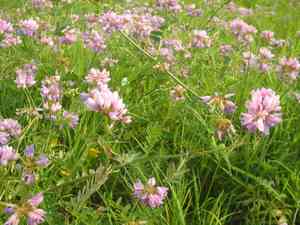
Common crownvetch tolerates cold and can endure winter with appropriate attention.
2
Applying mulch offers protection to shield Common crownvetch roots from freezing.
3
Strategic trimming in autumn reduces the likelihood of cold weather harm.
Importance of Overwintering Common crownvetch
Why Overwintering Common crownvetch is Important
Overwintering Common crownvetch is vital for its well-being and to guarantee strong development in spring. Although this plant is resilient and can endure cold, extra precautions can avert root harm and stress. Proper winter attention helps maintain soil structure, insulates roots, and lessens frost damage risk. An optimal overwintering plan ensures your Common crownvetch will rebound with lush growth once the thaw arrives.
When to Begin Winter Preparation for Common crownvetch
Determining the Right Time
The ideal period to start winter preparations for Common crownvetch is in late autumn, typically late October to early November, depending on your local climate. Preparation should commence when temperatures begin to fall but before the initial hard frost. Watch for nighttime temperatures consistently dropping below 4°C (40°F) as an indicator.
Monitoring Weather Patterns
Keeping an eye on local weather patterns is crucial for timely action. Pay attention to forecasts to anticipate sudden temperature drops and be ready to implement protective measures. This way, you can avoid last-minute rushes and ensure your Common crownvetch is adequately shielded from frost.
How to Safeguard Common crownvetch from Frost
Utilizing Mulch and Ground Covers
One of the most effective methods to protect Common crownvetch from frost is applying a thick layer of mulch. Spread about 5-7.5 centimeters (2-3 inches) of organic mulch, such as straw or wood chips, around the plant's base. This insulation helps maintain a more consistent soil temperature, preventing the roots from getting too cold.
Establishing Windbreaks
Wind can intensify cold stress on plants. To create a windbreak, you can use physical barriers like burlap screens, wooden panels, or even natural hedges. These windbreaks shield your Common crownvetch from harsh winds, reducing the risk of windburn and desiccation during the frosty months.
Watering and Feeding Common crownvetch During Winter
Adjusting Watering Schedules
Watering routines should be modified as the temperature decreases. During winter, reduce watering frequency but ensure the soil remains slightly damp. Overwatering can lead to root rot, while underwatering may cause the plant to dry out. Aim to water your Common crownvetch approximately every two to three weeks, depending on rainfall.
Providing Winter Nutrients
While Common crownvetch doesn't require much fertilization during winter, applying a balanced, slow-release fertilizer in late fall can be beneficial. This ensures the plant has sufficient stored nutrients to sustain it through the cold months and promotes healthy spring growth.
Pruning Common crownvetch for Winter
Timing Your Pruning
Pruning should be carried out in late autumn, after the plant has ceased growing for the season. This timing minimizes stress and reduces the risk of infection. Make sure to prune Common crownvetch before the first hard freeze to avoid damaging the stems.
Effective Pruning Techniques
When pruning, aim to remove any dead or diseased stems. Trim back about one-third of the plantâs height, focusing on maintaining a balanced shape. Use clean, sharp tools to make precise cuts, which helps prevent the spread of pathogens.
Monitoring and Adapting Care Throughout Winter
Checking for Signs of Stress
Regularly inspect your Common crownvetch for indications of winter stress, such as discolored or wilted foliage. Early detection of issues like frost damage or pest infestations allows for prompt intervention, thereby minimizing harm to the plant.
Adapting Care Plans as Needed
Be ready to adjust your care regimen based on the plantâs condition. If you observe signs of dehydration, increase watering frequency slightly. If wind damage is apparent, consider adding or enhancing windbreaks. Flexibility is key to ensuring your Common crownvetch survives the winter unscathed.
Preparing for Spring Growth
Gradual Transition to Spring Care
As temperatures begin to rise in late winter, start gradually reducing mulch layers to acclimate the Common crownvetch to warmer conditions. Resume regular watering schedules and begin more active fertilization to encourage robust spring growth.
Encouraging New Growth
Once new shoots appear, consider side dressing with compost to give the Common crownvetch an additional nutrient boost. Balanced fertilization and ensuring sufficient water will promote vigorous new growth and a healthy plant ready to flourish throughout the growing season.



