How to Overwinter Early goldenrod
1
Early goldenrod is a robust perennial capable of enduring chilly temperatures naturally.
2
Applying mulch is crucial for safeguarding Early goldenrod's roots over winter.
3
Adequately watering your Early goldenrod prior to the first frost can greatly impact its vitality.
Understanding the Hardy Nature of Early goldenrod
Understanding the Hardy Nature of Early goldenrod
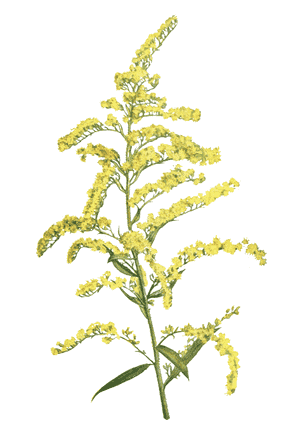
The Early goldenrod is a robust and resilient plant known for its ability to thrive in various environments. This perennial plant is renowned for its vibrant yellow flowers that bloom in late summer to early fall, bringing a splash of color to gardens. Its hardy nature makes it an excellent choice for both novice and experienced gardeners. The plant has adapted well to withstand lower temperatures, making it possible to overwinter successfully with the right care. Understanding its natural resilience is the first step in ensuring a thriving garden come spring.
Preparing Early goldenrod for Winter
Pruning and Cleaning the Area
As winter approaches, it's essential to prepare your Early goldenrod for the cold months ahead. Begin by pruning back the dead and dying stems to about 15-20 cm (6-8 inches) above the ground. This helps the plant conserve energy and reduces the risk of disease. Clearing away debris and fallen leaves from around the base of the plant is equally important, as it prevents pests and diseases from taking hold during the dormant period.
Mulching Techniques to Protect Early goldenrod
Mulching is a critical step in protecting your Early goldenrod from harsh winter conditions. Apply a thick layer of organic mulch, such as straw or wood chips, around the base of the plant. This acts as an insulating blanket, keeping the soil temperature stable and protecting the roots from freezing. Aim for a mulch layer that is about 5-10 cm (2-4 inches) thick. Be sure not to pile the mulch directly against the stem to avoid rot.
Watering Requirements Before Frost Hits
Proper watering is crucial before the winter frost sets in. Ensure your Early goldenrod is well-watered in the weeks leading up to the first frost. Moist soil retains warmth better than dry soil, providing added protection for the roots. Water deeply, ensuring the soil is moist to a depth of about 30 cm (1 foot). However, avoid overwatering as soggy soil can lead to root rot.
Signs of a Healthy Overwintered Early goldenrod
New Growth in Early Spring
As winter transitions to spring, look for signs of new growth at the base of your Early goldenrod. Healthy plants will start showing small green shoots emerging from the soil, indicating that they have successfully survived the winter. This is a positive sign that your overwinter care has paid off and your plant is ready to spring back to life.
Checking for Pest and Disease Signs
When inspecting your Early goldenrod in early spring, it's essential to check for any signs of pests or diseases. Look for discolored leaves, unusual spots, or small insects that might have made the plant their home over winter. Early detection and treatment of any issues will help ensure your Early goldenrod remains healthy and vibrant throughout the growing season.



