How to Overwinter Seaside goldenrod
1
Seaside goldenrod tolerates cold well, simplifying its winter care compared to sensitive species.
2
Beginning winter preparations promptly helps Seaside goldenrod endure lower temperatures more effectively.
3
Adequate mulching and frost cloth application can greatly lessen harm from frost.
Understanding Seaside goldenrod Overwintering Needs
Understanding Seaside goldenrod Overwintering Needs
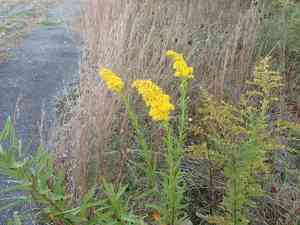
Seaside goldenrod, known for its bright yellow blooms, is a hardy perennial that flourishes near coastal regions. Recognized for its hardiness, this plant is frost-tolerant, meaning it can withstand colder temperatures with minimal attention. However, comprehending its specific requirements during the colder months will help guarantee its health and vibrancy in spring. Seaside goldenrod can endure frost, but extreme cold or improper handling may still cause harm. It's vital to prepare and safeguard your plant adequately to see it through the harshest parts of winter.
Preparing Seaside goldenrod for Winter
When to Start Preparation
Begin readying your Seaside goldenrod for winter as soon as the autumn chill starts, typically around late October to early November. Start monitoring local weather forecasts for indications of the first frost, and use this as your signal to begin winterizing your plants. Early preparation can help them adapt and strengthen before the coldest temperatures arrive.
Pruning Techniques for Winter Prep
Pruning is a crucial step in winter preparation. For Seaside goldenrod, cut back any dead or dying stems to reduce the plant's overall size. This not only helps it conserve energy during the cold months but also minimizes potential damage from heavy snow or ice accumulation. Aim to trim the plant to about 15-20 cm (6-8 inches) above the ground. Pruning also encourages new growth for the upcoming spring.
Feeding and Watering Before Frost
Fertilizing your Seaside goldenrod before the first frost is essential. Apply a balanced, slow-release fertilizer as early as late summer to early autumn. This will give the plant time to absorb nutrients and build up its energy reserves. Additionally, ensure to water the plant thoroughly in the days leading up to frost. This ensures that the roots are well-hydrated, which can help them tolerate freezing temperatures better.
Protecting Seaside goldenrod from Frost
Mulching for Insulation
Mulching is a very effective method to insulate Seaside goldenrod from the severe winter cold. Apply a thick layer of organic mulch, such as straw, wood chips, or compost, around the base of the plant. Aim for a layer about 5-10 cm (2-4 inches) deep. This helps to maintain a stable ground temperature, preventing the roots from freezing and thawing, which can cause significant damage.
Using Frost Cloths and Covers
For extra protection, especially during unexpected cold snaps, use frost cloths or plant covers. These materials are designed to shield plants from frost while allowing them to breathe. Secure the cloths around the plants loosely, making sure they don't touch the foliage directly to prevent frost burn. Frost cloths are an easy and effective way to provide a little extra warmth on the coldest nights.
Best Practices for Snow Coverage
In areas with heavy snowfall, it's beneficial to understand how snow can impact your Seaside goldenrod. While snow can act as an insulator, the weight of heavy, wet snow can damage the stems. Periodically check your plants after snowfall and gently brush off heavy snow accumulations. Avoid using salt-based deicers nearby, as they can harm the plant.
Monitoring Seaside goldenrod During Winter
Regular Inspections for Damage
Throughout the winter, conduct regular inspections of your Seaside goldenrod. Look for signs of damage like broken stems, mold, or pest infestations. Early detection of issues can make a significant difference in addressing and mitigating potential problems. These inspections don't need to be overly frequent; a monthly check should suffice.
Managing Snow and Ice Buildup
Effectively managing snow and ice buildup is crucial. Should you notice ice forming around the base or on the foliage, gently remove it to prevent the plant from becoming waterlogged. If ice has bonded to the stems or leaves, try to melt it with warm water rather than forcefully removing it, which could cause breakage.
Post-Winter Care for Seaside goldenrod
Spring Pruning and Cleanup
As winter transitions into spring, start preparing your Seaside goldenrod for the growing season. Remove any mulch or frost covers used during the winter. Prune away any dead or damaged stems to encourage fresh, healthy growth. This cleanup not only tidies the plant but also allows for better air circulation and sunlight penetration.
Fertilization and Feeding Tips
In early spring, feed your Seaside goldenrod with a balanced fertilizer to kickstart its growing season. Choose a fertilizer with an equal ratio of nitrogen, phosphorous, and potassium, such as a 10-10-10 blend. Follow the package instructions for correct application rates, providing a nutrient boost that will support vibrant blooms and healthy foliage.
Transitioning Back to Regular Care
As the risk of frost diminishes, gradually transition your Seaside goldenrod back to regular care. Start watering more frequently as temperatures rise and new growth appears. Monitor the plant closely for any signs of stress or pest problems, addressing them promptly to ensure a healthy growing season ahead.



