How to Overwinter White meadowsweet
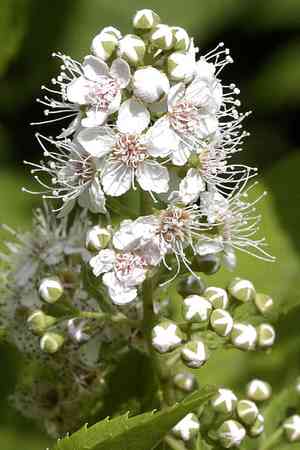
1
White meadowsweet is very tolerant of cold and can endure extremely low temperatures.
2
Adequate mulching assists in safeguarding White meadowsweet's roots from freezing.
3
Periodically check soil dampness in winter to keep your White meadowsweet sufficiently watered.
Understanding White meadowsweet Hardy Nature
Understanding White meadowsweet Hardy Nature
As a robust shrub, White meadowsweet (Spiraea alba) is well-equipped to survive cold winters. Originating from North America, this plant flourishes in USDA hardiness zones 3 through 8, where it can withstand temperatures as low as -40°F (-40°C). Its durability makes it a favored option for gardens that experience severe winters. However, while White meadowsweet can endure extreme cold, it still benefits from certain protective measures to ensure it remains healthy and vibrant year after year.
Preparing White meadowsweet for Winter
When to Start Preparing
Preparation for White meadowsweet's winter dormancy should commence in late fall before the initial heavy frost. This timing allows for gradual acclimatization to colder temperatures without causing shock. Observe indicators such as the first yellowing leaves and a drop in nighttime temperatures as signals to begin your winter preparation process.
Pruning Guidelines for White meadowsweet
Pruning is vital for maintaining the health of your White meadowsweet during winter. Trim the plant after the first frost, removing any dead or diseased branches. This not only helps decrease the risk of pests and diseases but also promotes new growth in the spring. Aim to prune the shrub down to approximately 15-20 cm (6-8 inches) above the ground, which will help it direct energy towards root development over the winter months.
Best Practices for Overwintering White meadowsweet Outdoors
Mulching Techniques
Mulching is one of the most effective ways to insulate your White meadowsweet from extreme cold. Apply a thick layer of mulch around the plant's base, using materials such as straw, leaves, or wood chips. Aim for about 7-10 cm (3-4 inches) of mulch to provide ample protection. This helps regulate soil temperature and moisture, preventing the roots from freezing.
Protecting the Roots
In addition to mulching, consider wrapping the base of the shrub with burlap for extra insulation. This additional layer of protection can help safeguard the roots during particularly harsh freezes. Tie the burlap loosely to avoid constricting the plant, allowing it to 'breathe' while still offering a shield against cold wind and frost.
Ensuring Adequate Moisture
Even during winter, maintaining sufficient soil moisture is crucial for the survival of your White meadowsweet. Water the plant thoroughly before the ground freezes to ensure that the roots are well-hydrated. Monitor the soil moisture levels throughout the winter, especially during dry spells, and provide additional water as needed. Be cautious not to overwater, as soggy soil can lead to root rot.
Overwintering White meadowsweet in Containers
Choosing the Right Container
When overwintering White meadowsweet in containers, selecting the appropriate pot is essential. Opt for a container that is at least 30-45 cm (12-18 inches) wide and equally deep to accommodate the roots. Ensure the container has adequate drainage holes to prevent waterlogging, which can harm the plant during winter.
Placement and Insulation Tips
Position the container in a sheltered spot, such as against a south-facing wall, to provide some natural warmth. For additional insulation, wrap the pot with insulating materials like bubble wrap or burlap. You can also place the container inside a larger pot filled with straw or leaves for extra protection. These layers help buffer the roots from fluctuating temperatures.
Watering Routine in Winter
While plants in containers are more susceptible to drying out, it's crucial to maintain a careful watering routine. Check the soil moisture regularly and water only when the top 2-3 cm (1 inch) of soil is dry. Be cautious of overwatering, as reduced evaporation during cold weather can quickly lead to waterlogging and root rot.
Common Issues When Overwintering White meadowsweet
Identifying Frost Damage
Even with proper care, White meadowsweet can sometimes suffer frost damage. Look for signs such as blackened or mushy leaves and stems. If you identify frost damage, prune the affected areas to prevent the spread of rot. Applying a protective mulch and ensuring adequate moisture can help prevent further damage.
Preventing and Treating Pests and Diseases
Winter can attract certain pests and diseases due to the plant's weakened state. Regularly inspect your White meadowsweet for signs of insect activity, such as webbing or chewed leaves. Use natural remedies like neem oil or horticultural soap to treat any infestations. Keep the area around the plant clean and free from debris to reduce hiding spots for pests.



