How to Overwinter Japanese meadowsweet
1
Japanese meadowsweet is resilient to cold and can withstand temperatures as low as -30°C (-22°F).
2
Trimming in late winter promotes vigorous new growth come spring.
3
Adequate mulching in winter aids in protecting roots from freezing temperatures.
Is Japanese meadowsweet Frost Hardy?
Is Japanese meadowsweet Frost Hardy?
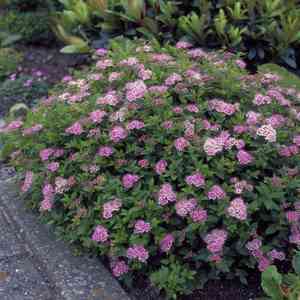
Japanese meadowsweet, recognized for its delicate pink or white blooms, exhibits considerable resilience against cold temperatures. This plant is frost-tolerant, meaning it can withstand freezing conditions and survive winter without significant harm. Specifically, Japanese meadowsweet can endure temperatures as low as -30°C (-22°F). However, this does not imply neglecting winter care entirely. Proper preparation ensures your plant emerges healthy and vibrant in spring.
Preparing Japanese meadowsweet for Winter
Pruning Techniques
Pruning is a vital step in readying your Japanese meadowsweet for winter. In late autumn or early winter, trim the plant's stems to approximately 20-30 centimeters (8-12 inches) above the ground. This reduces the plant's size and prevents stems from breaking under snow weight. Additionally, pruning stimulates new growth in spring. Use clean, sharp pruning shears for precise cuts to minimize disease risk.
Cleaning Up Foliage
As winter nears, it's important to clear any fallen foliage around your Japanese meadowsweet. Dead leaves and debris can harbor pests and diseases over winter, jeopardizing your plant's health. Rake up all fallen leaves and remove any diseased plant material to keep the area around the plant's base clean and free from potential harm.
Mulching for Extra Protection
Mulching is one of the best methods to safeguard your Japanese meadowsweet during harsh winter months. Apply a layer of mulch around the plant's base, about 7-10 centimeters (3-4 inches) thick. This insulates the roots, maintaining stable soil temperature and preventing frost heave. Mulch can be made from materials like straw, wood chips, or compost. Keep the mulch a few centimeters (inches) away from the stems to prevent rot.
Maintaining Soil Health for Japanese meadowsweet
Proper Soil Drainage
Good soil drainage is crucial for your Japanese meadowsweet's health. Ensure your plant is in well-draining soil to prevent water accumulation around the roots, which can lead to root rot. If needed, amend your soil with organic matter like compost to enhance its drainage. Raised beds can also be a good solution for areas with heavy, clay soils.
Nutrient Management
Before winter arrives, it's beneficial to provide your Japanese meadowsweet with a balanced fertilizer to ensure it has sufficient nutrients to withstand the cold months. A slow-release granular fertilizer works well, applied according to package instructions. Avoid high-nitrogen fertilizers late in the season, as they can promote new growth more susceptible to frost damage.
Common Issues and Solutions During Winter
Dealing with Frost Heave
Frost heave can be a concern for gardeners, as it causes soil to expand and contract with freezing and thawing cycles, potentially uprooting young plants. To combat frost heave, ensure your Japanese meadowsweet is well-mulched and planted in a location with good drainage. Applying mulch helps moderate soil temperature fluctuations, reducing the risk of frost heave.
Preventing Root Rot
Root rot is a common winter issue, often caused by poor drainage and excessive moisture. Ensure your Japanese meadowsweet is planted in well-draining soil, and use raised beds or amend the soil if necessary. Avoid overwatering the plant before the ground freezes to reduce the risk of root rot.
Post-Winter Care for Japanese meadowsweet
Inspecting for Damage
Once winter has passed, it's essential to inspect your Japanese meadowsweet for any signs of winter damage. Look for broken branches, frost damage, or signs of disease. Prune away any damaged or dead wood to promote healthy new growth. Early intervention can prevent minor issues from becoming major problems.
Resuming Regular Watering and Feeding
As temperatures rise and spring approaches, gradually resume regular watering and feeding of your Japanese meadowsweet. Start by watering moderately, ensuring the soil remains moist but not waterlogged. Apply a balanced, slow-release fertilizer in early spring to support robust growth and flowering. Monitoring your plant's needs and adjusting care accordingly will help it thrive throughout the growing season.



