How to Overwinter Bird of paradise
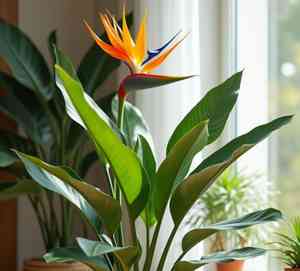
1
The Bird of paradise flourishes in temperatures ranging from 65°F to 70°F (18°C to 21°C), even during colder months.
2
Bird of paradise requires a minimum of six hours of filtered sunlight each day during the winter period.
3
Periodically inspect for insects and illnesses, as indoor environments can occasionally encourage their development.
What Are the Overwintering Needs of Bird of paradise?
What Are the Overwintering Needs of Bird of paradise?
The Bird of paradise is a striking tropical plant recognized for its vibrant, bird-like blooms. As a delicate species, it lacks frost tolerance, making winter care crucial in colder regions. This plant flourishes in a consistent, warm environment, with ample humidity and light, even during the colder months. Proper overwintering ensures your Bird of paradise stays healthy and can regain its lively appearance once warmer weather returns.
Preparing Bird of paradise for Overwintering
Assessing Plant Health
Before moving your Bird of paradise indoors, thoroughly examine the plant for any indications of stress or damage. Look for discolored leaves, stunted development, or spots on foliage that might suggest disease. Healthy plants adapt better to indoor conditions, so it's vital to confirm your Bird of paradise is in good condition.
Pruning and Cleaning the Plant
Pruning is essential to remove any dead or damaged foliage and help the plant conserve energy during the less active winter period. Trim back any yellow or brown leaves and clean the foliage to remove dust and debris. This aids in improving photosynthesis and maintains the plant's optimal appearance.
Pest and Disease Check
Inspect your Bird of paradise for common pests such as spider mites, aphids, and mealybugs. Treat any infestations with suitable pesticides or natural solutions like neem oil. Examine the roots for signs of decay or disease, often indicated by dark, soft roots. Healthy roots are firm and white.
Finding the Right Indoor Location for Bird of paradise
Sunlight Requirements
Bird of paradise needs abundant light, even in winter. Position your plant in a bright, sunny spot where it can receive at least six hours of indirect sunlight daily. If natural light is insufficient, consider using grow lights to supplement its needs.
Humidity Levels
Tropical plants like Bird of paradise thrive in high humidity. Maintain indoor humidity levels around 50-60%. You can achieve this by placing a humidifier nearby or setting the plant on a tray filled with water and pebbles. Misting the leaves regularly also helps preserve humidity.
Ventilation and Airflow
Good airflow prevents the accumulation of mold and pests. Ensure the room where your Bird of paradise is located is well-ventilated. Avoid placing the plant in the direct path of hot or cold drafts as this can dry out the leaves and stress the plant.
Addressing Common Overwintering Problems in Bird of paradise
Yellowing Leaves
Yellowing leaves can indicate overwatering or insufficient light. Ensure your plant is not sitting in waterlogged soil and receives adequate sunlight. Adjust watering schedules and consider supplemental lighting if necessary.
Root Rot
Root rot is a serious issue caused by excessive watering. If you notice soft, discolored roots, trim away the affected parts and repot the plant in fresh, well-draining soil. Adjust your watering habits to prevent recurrence.
Pest Infestations
Indoor environments can sometimes encourage pest infestations. Regularly inspect your Bird of paradise for pests such as spider mites or aphids. Treat any infestations promptly with appropriate insecticides or natural remedies.



