How to Overwinter Celandine poppy
1
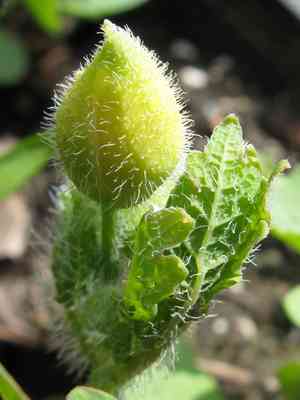
Stylophorum diphyllum is a perennial plant that tolerates cold temperatures.
2
Applying mulch is essential to shield Stylophorum diphyllum's root system from extreme cold.
3
Stylophorum diphyllum thrives in soil that drains effectively and is rich in organic material.
Why Overwinter Celandine poppy?
Why Overwinter Celandine poppy?
The attractive Celandine poppy, known for its bright yellow blooms, is a robust perennial capable of enduring low temperatures. However, proper overwintering ensures the plant emerges strong and vibrant in spring. This process safeguards the plant's root system, prevents frost damage, and maintains its health during dormancy. Overwintering is particularly crucial in areas with severe winters where prolonged periods of frost can be harmful.
Preparing Celandine poppy for Overwintering
Assessing Plant Health
Before winter preparation, evaluate your Celandine poppy's health. Look for indications of diseases, pests, or weak growth. Healthy plants are more likely to survive harsh winter conditions. If you observe any infections or infestations, treat them promptly using suitable organic or chemical remedies.
Pruning Guidelines
Prune your Celandine poppy in late autumn after it has finished flowering. Remove any dead or decaying foliage to prevent fungal growth. Cutting back stems to a few centimeters (inches) above the soil helps manage plant size and reduces the energy the plant expends during cold months.
Soil Preparation
Ensure the soil is well-drained by incorporating compost or other organic materials. Celandine poppy thrives in nutrient-rich soil. Preparing the soil in the fall by tilling and amending it can provide a better environment for the roots during winter. Aim to keep the soil slightly moist but avoid waterlogging.
Protecting Celandine poppy During Winter
Mulching Techniques
Mulching is vital for protecting the Celandine poppy’s roots from extreme cold. Apply a layer of mulch, such as straw, pine needles, or shredded leaves, around the plant's base. This layer should be about 5–10 cm (2-4 inches) thick for optimal insulation. Mulching helps retain soil moisture and temperature, offering better protection against frost.
Watering Schedule
Water your Celandine poppy generously before the ground freezes to ensure it has sufficient moisture. However, be careful not to overwater, as this can lead to root rot. During winter, the plant’s water needs decrease significantly, and natural precipitation is usually adequate.
Shelter Options
In regions with particularly harsh winters, additional shelter like a cloche, cold frame, or even garden fleece can provide extra protection. These structures guard against wind and frost, ensuring your Celandine poppy survives the season unharmed.
Monitoring Celandine poppy Through Winter
Identifying Frost Damage
Regularly check for signs of frost damage, such as blackened or mushy leaves and stems. Damage most often appears after severe cold snaps. Early identification allows for timely intervention, such as increased insulation or temporary indoor relocation if feasible.
Adjusting Care Routine
Revise your plant care routine based on weather conditions and the plant’s state. If winter is exceptionally dry, periodic light watering might be necessary. Conversely, in very wet conditions, ensure proper drainage around the plant to prevent water-logging and root rot.



