How to Overwinter Common tansy
1
Common tansy is a robust perennial capable of enduring freezing temperatures.
2
To safeguard Common tansy from severe cold, applying mulch is crucial.
3
Modify irrigation and nutrient supply routines to avoid excessive watering or fertilizing in winter.
Understanding Common tansy's Winter Hardiness
Understanding Common tansy's Winter Hardiness
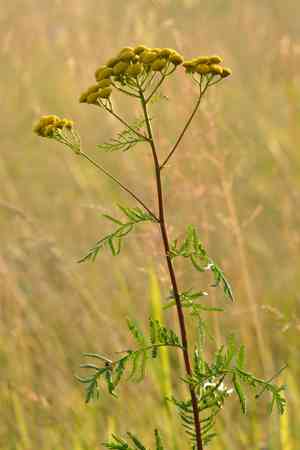
Common tansy (Tanacetum vulgare) is a robust perennial recognized for its vibrant yellow button-like blooms and delicate, aromatic foliage. A key characteristic is its capacity to endure various challenging environmental conditions, including freezing winters. Due to its tough nature, Common tansy can withstand temperatures well below freezing, making it a dependable addition to your garden even in colder climates. Nevertheless, to guarantee its prosperity year after year, proper winter care is vital.
Preparing Common tansy for the Winter
Pruning and Cleaning Up
As the cold season approaches, it's advisable to prune your Common tansy to aid in energy conservation. Remove any dead or damaged stems and leaves. Cutting the plant back to approximately 10-15 cm (4-6 inches) above the ground is recommended. This not only neatens your garden but also prevents pests and diseases from surviving winter in the debris. Ensure you use clean, sharp pruning shears for precise cuts, which can encourage healthy regrowth in the spring.
Mulching Tips for Insulation
Applying mulch is a straightforward yet effective method to shield your Common tansy from harsh winter temperatures. Spread a 5-10 cm (2-4 inches) layer of organic mulch, such as straw, wood chips, or shredded leaves, around the plant's base. This layer functions as an insulating blanket, helping to stabilize soil temperature and retain moisture. In regions with particularly severe winters, adding a layer of landscape fabric or burlap over the mulch can offer extra protection.
Watering and Feeding Common tansy in Winter
Adjusting Watering Schedule
During the colder months, Common tansy's water requirements significantly decrease. Excessive watering can lead to root rot and other problems, so it's crucial to modify your watering routine accordingly. Water only when the top 2-3 cm (1 inch) of soil feels dry to the touch. In most instances, watering once every few weeks is sufficient. If you're overwintering the plant indoors, be mindful of indoor heating, which can dry out the soil more rapidly.
Fertilizing Considerations
Providing nutrients to Common tansy during winter is generally unnecessary, as the plant is in a dormant state and growth slows or ceases. Over-fertilizing can cause more harm than good, leading to nutrient imbalances and potential plant stress. Focus on preparing the soil for the upcoming growing season by incorporating compost or organic matter into the soil in early spring rather than applying fertilizers during winter.



