How to Overwinter Yellow trumpetbush
1
Yellow trumpetbush is a plant sensitive to frost, indicating it struggles with low temperatures.
2
Pruning your Yellow trumpetbush before winter storage is crucial to promote robust development in the spring.
3
The best indoor temperatures for Yellow trumpetbush during winter dormancy are between 10-15°C (50-59°F).
Why Is Overwintering Necessary for Yellow trumpetbush?
Why Is Overwintering Necessary for Yellow trumpetbush?
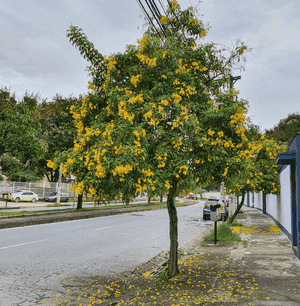
The Yellow trumpetbush (Tecoma stans) is cherished for its vibrant yellow, trumpet-shaped blossoms and its capacity to flourish in warm environments. However, this plant is susceptible to frost, meaning it does not tolerate cold temperatures well. If your Yellow trumpetbush encounters frost, it can suffer considerable harm or even perish. Overwintering involves safeguarding the plant during colder months to ensure its health and vigorous growth once warmer weather returns. By correctly overwintering your Yellow trumpetbush, you can enjoy its beauty annually without concern for winter's detrimental effects.
Preparing Yellow trumpetbush for Overwintering
Pruning Techniques
Trimming your Yellow trumpetbush before winter is vital for its survival and future development. Begin by removing any dead or damaged branches, which can attract disease or pests. Next, cut back approximately one-third of the remaining healthy branches. This not only decreases the plant's overall size, making it easier to manage indoors, but also promotes new, strong growth in the spring. Ensure your pruning shears are clean and sharp to make precise cuts without harming the plant.
Cleaning the Plant
Before moving your Yellow trumpetbush indoors, it's crucial to clean it thoroughly. Remove any fallen leaves, debris, and spent blooms that might harbor pests or diseases. Additionally, gently wipe down the stems and remaining foliage to eliminate any dust or pests that may not be easily visible. A clean plant is less prone to developing issues during overwintering, which helps maintain its well-being.
Checking for Pests and Diseases
Examine your Yellow trumpetbush closely for indications of pests like aphids, spider mites, or scale. These pests can be particularly troublesome indoors, where they can spread to other plants. If you discover any, treat the plant with an appropriate pesticide or natural remedy. Similarly, look for signs of diseases such as fungal infections or mildew and address them accordingly. Resolving these problems before bringing your plant inside will ensure a healthier overwintering period.
Choosing the Right Location for Overwintering
Indoor vs Outdoor Overwintering
In colder regions, indoor overwintering is the safest choice for Yellow trumpetbush. Find a spot that offers ample light, such as a south-facing window or beneath grow lights. If you reside in a milder climate and prefer outdoor overwintering, consider utilizing a greenhouse or a protected area where temperatures stay above freezing. Outdoor overwintering should still include protection from harsh conditions using frost cloths or other insulating materials.
Ideal Temperature and Humidity Levels
For indoor overwintering, maintain a temperature range of 10-15°C (50-59°F). This range helps keep the plant dormant without causing stress. Avoid placing the plant near heat sources or drafty windows, as temperature fluctuations can be harmful. Keep humidity levels around 40-50%, which can be achieved with a humidifier or by placing a tray of water near the plant. Proper humidity levels prevent the plant from drying out and keep it healthy.
Watering and Feeding During Winter
Watering Schedule
During the winter months, Yellow trumpetbush requires less water than during its active growth phase. Water the plant only when the top 2-3 cm (1 inch) of soil feels dry. Avoid over-watering, as this can lead to root rot. Ensure the pot has adequate drainage to prevent water from accumulating at the bottom.
Feeding Requirements
Reduce fertilization during the winter, as the plant's growth slows considerably. You can cease feeding your Yellow trumpetbush entirely or provide a very diluted, balanced fertilizer once a month. Excessive feeding during this period can result in salt build-up in the soil, which can harm the plant.
How to Transition Yellow trumpetbush Back Outdoors
Gradual Reintroduction
As the weather warms in spring, it's time to reintroduce your Yellow trumpetbush to the outdoors. Begin by placing the plant outside for a few hours daily in a shaded spot and progressively increase its exposure to sunlight over 1-2 weeks. This gradual reintroduction helps the plant adapt to outdoor conditions without causing stress.
Monitoring for Stress
Observe your Yellow trumpetbush closely during this transition period. Look for signs of stress, such as wilting, yellowing leaves, or stunted growth. If you notice any of these symptoms, bring the plant back indoors for a few days before attempting again. Gradual acclimation is crucial to ensuring your plant thrives once it's permanently back outdoors.



