How to Overwinter Black-eyed susan vine
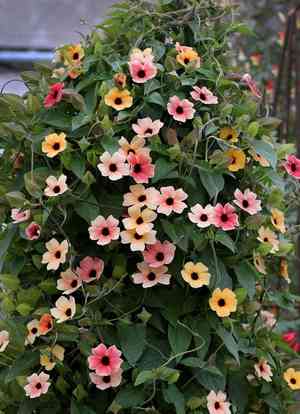
1
The Black-eyed susan vine 1 is a delicate perennial needing frost protection.
2
Begin overwintering preparations as daytime temperatures fall below 15°C (59°F).
3
Indoor overwintering conditions should feature ample light, temperatures near 15-18°C (59-64°F), and average humidity.
The Importance of Overwintering Black-eyed susan vine
The Importance of Overwintering Black-eyed susan vine
The Black-eyed susan vine (Thunbergia alata) is a lovely plant known for its bright yellow and orange blooms, featuring a distinct black center. As a tender perennial, it cannot endure frost and requires specific care during colder months. Overwintering your Black-eyed susan vine ensures its survival through winter and vigorous growth in spring, saving you the effort and cost of replanting annually. With proper preparation and attention, your vine can continue to beautify your garden or indoor space for many years.
Getting Your Black-eyed susan vine Ready for Winter Storage
When to Begin Winter Preparation
Start preparing your Black-eyed susan vine for overwintering once daytime temperatures consistently fall below 15°C (59°F). This typically occurs in late autumn. Prompt preparation guarantees the plant transitions smoothly into its winter dormancy without stress.
Trimming Methods
Pruning is vital for overwintering. Cut back the vine to approximately one-third of its original size. This helps decrease the plant's energy demands and makes it easier to store indoors. Always use clean, sharp pruners to avoid harming the plant.
Checking for Pests and Diseases
Before moving the plant indoors, thoroughly check it for any signs of pests or diseases. Aphids, spider mites, and whiteflies are common culprits. Remove any affected leaves and treat the plant with a suitable insecticide or neem oil. This step prevents infestations from spreading to other indoor plants.
How to Overwinter Black-eyed susan vine Indoors
Optimal Indoor Conditions
The best indoor conditions for overwintering your Black-eyed susan vine include bright, indirect light and temperatures around 15-18°C (59-64°F). Avoid placing the plant near heating vents or cold drafts, as sudden temperature shifts can stress the plant.
Selecting the Right Pot
Choose a container that is appropriately sized for your vine. It should have good drainage to prevent waterlogging. A pot with a diameter of 20-30 cm (8-12 inches) often works well. Ensure the potting mix is well-draining to keep the roots healthy.
Watering and Humidity Management
Water the plant sparingly during the winter months. Allow the top 2-3 cm (1 inch) of soil to dry out between waterings. Maintain moderate humidity by placing a tray of water near the plant or using a humidifier. Avoid overwatering, as it can lead to root rot.
Can Black-eyed susan vine Be Overwintered Outdoors?
Using Mulch for Frost Protection
If you prefer to leave your Black-eyed susan vine outdoors, mulching is essential for frost protection. Apply a thick layer of mulch (5-10 cm or 2-4 inches) around the base of the plant. This insulates the roots and helps maintain a stable soil temperature.
Covering with Frost Cloths or Blankets
In addition to mulching, covering the plant with frost cloths or blankets can provide extra protection against freezing temperatures. Ensure the coverings are secure but allow some airflow to prevent mold growth. Remove the covers during the day to let the plant breathe.
Common Overwintering Issues and Solutions
Identifying and Addressing Rot Issues
Root and stem rot can be problematic during overwintering, especially if the plant is overwatered. Symptoms include blackened, mushy roots and stems. To address this, reduce watering frequency and ensure the plant is in a well-draining mix. Treat affected areas with a fungicide if necessary.
Managing Indoor Pests
Indoor pests like aphids, spider mites, and mealybugs can become an issue over winter. Regularly inspect your plant and use insecticidal soap or neem oil to manage infestations. Quarantine the affected plant if needed to prevent the pests from spreading to other houseplants.



