How to Overwinter Virginia spiderwort
1
Virginia spiderwort is resilient and tolerates winter lows as cold as -34°C (-30°F).
2
Applying mulch can shield Virginia spiderwort from severe winter chill and frost harm.
3
Virginia spiderwort kept indoors needs a well-lit, cool spot with infrequent watering.
Understanding Virginia spiderwort and Its Hardiness
Understanding Virginia spiderwort and Its Hardiness
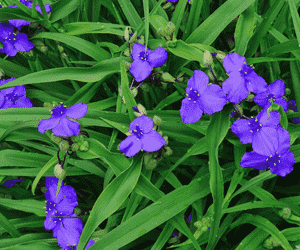
Virginia spiderwort (Tradescantia virginiana) is a robust perennial that enlivens your garden with its striking blue-purple blooms. Renowned for its resilience, this plant can withstand winter temperatures as low as -34°C (-30°F). Grasping its sturdy nature is the initial step to ensuring its prosperity year after year. Despite its toughness, providing Virginia spiderwort with extra attention before and during winter can boost its health and vigor when the growing season returns.
Preparing Virginia spiderwort for Overwintering
When to Begin Preparation?
The optimal time to start preparing your Virginia spiderwort for winter is in late autumn, prior to the first severe frost. Depending on your climate zone, this could be anywhere from October to November. Monitoring your local weather forecast will help you pinpoint the ideal time for these preparations. Prompt action ensures the plant has sufficient time to adapt and settle before the cold fully arrives.
Essential Steps in Fall
Proper autumn care is vital for your Virginia spiderwort. Begin by trimming back any dead or withered foliage to lessen the risk of disease and pest infestation. Water the plant thoroughly, but avoid overwatering, as this can lead to root rot. Applying a balanced, slow-release fertilizer can also supply crucial nutrients that help the plant store energy for the colder months.
How to Overwinter Virginia spiderwort Outdoors
Mulching Techniques
Mulching is a key method for safeguarding your Virginia spiderwort outdoors. Apply a thick layer of mulch (approximately 5-7 cm or 2-3 inches) over the root area. Organic materials such as straw, leaves, or wood chips are excellent choices as they insulate the roots, retain soil moisture, and gradually decompose to enrich the soil. Be sure to keep the mulch a few centimeters away from the plant stems to prevent rot.
Protecting from Extreme Cold
For areas experiencing extremely cold winters, additional measures may be necessary. Covering the plants with burlap or frost cloth can offer extra protection against harsh winds and freezing temperatures. Secure the covers well to prevent them from being blown away. Also, consider using a wire cage around the plant, filled with straw or leaves, to create a micro-environment that shields against the cold.
How to Overwinter Virginia spiderwort Indoors
Choosing the Right Indoor Location
If you prefer to bring your Virginia spiderwort indoors for the winter, selecting the appropriate location is crucial. Place it in a well-lit, cool spot; an unheated basement or a bright garage can work effectively. The aim is to provide enough light to maintain the plant's health without encouraging new growth that is susceptible to winter stress.
Maintaining Optimal Conditions
Once indoors, Virginia spiderwort requires less water and no fertilizer. Water sparingly, ensuring the soil remains consistently moist but not waterlogged. Adequate humidity is also important, so consider placing a humidifier nearby or positioning the plant on a tray filled with water and pebbles. Regularly check for pests and diseases, as indoor conditions can sometimes make plants more vulnerable.
Common Problems During Overwintering Virginia spiderwort
Identifying Frost Damage
Frost damage can appear as blackened or wilted leaves and stems. It's crucial to promptly prune away any affected parts to prevent further damage and disease spread. After removing the damaged sections, cover the plant with mulch or frost cloth to protect the remaining healthy parts.
Dealing with Pests and Diseases
Overwintering does not make Virginia spiderwort immune to pests and diseases. Indoor plants might attract spider mites or aphids, while outdoor plants are susceptible to fungal diseases. Regularly inspect your plants and use appropriate treatments like insecticidal soap or neem oil for pests. For fungal issues, ensure proper air circulation and avoid overhead watering to reduce excess moisture on foliage.



