How to Overwinter Winged elm
1
Winged elm tolerates cold well, yet some winter readiness is still advantageous.
2
Keep the soil damp, but not saturated, during the colder months.
3
Applying mulch effectively shields roots from severe low temperatures.
What Does Frost Hardy Mean for Winged elm?
What Does Frost Hardy Mean for Winged elm?
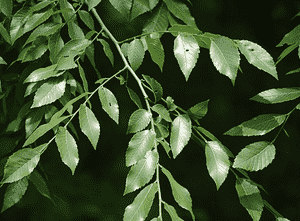
The Winged elm (Ulmus alata) is renowned for its resilience and capacity to endure low temperatures. Being frost-hardy signifies that this tree can withstand freezing conditions without suffering significant harm. Nevertheless, like any plant, it still requires adequate attention to flourish during winter. Grasping frost hardiness can assist you in preparing your Winged elm to confront the cold months effectively. Although it can tolerate frost, specific measures should be taken to ensure its continued health and vigor.
Preparing Your Winged elm for Winter
Assessing Tree Health in Autumn
Prior to winter's arrival, it's vital to evaluate the overall well-being of your Winged elm. Examine the tree for any indications of disease or pest infestations. Healthy trees are better equipped to manage winter's stresses. Look for discolored foliage, unusual bark patterns, or the presence of insects. Should you detect any problems, consider consulting a tree care expert to address them before the cold weather sets in.
Watering Needs Before Winter
While it's crucial to decrease irrigation as temperatures fall, your Winged elm will benefit from thorough watering in late autumn. This deep saturation helps the roots store sufficient water to sustain the tree throughout the winter. Ensure the soil is well-drained to prevent waterlogging, which can be detrimental when combined with freezing temperatures. Aim to water your tree with approximately 19 liters (5 gallons) of water per square meter (about 10 square feet) of canopy area.
Pruning Tips for Winged elm
Pruning your Winged elm in late autumn can be advantageous for several reasons. Remove any dead or diseased branches to prevent them from causing damage during winter storms. Trimming excessively long branches can also lessen the risk of breakage under the weight of snow. However, avoid heavy pruning, as this can stress the tree just before winter. Use clean, sharp tools to make precise cuts and minimize the risk of disease.
Mulching for Extra Protection
Applying mulch around the base of your Winged elm can provide an additional layer of insulation to shield its roots from severe cold. Use organic mulch, such as wood chips or straw, and apply it generously, covering an area of about 1-2 meters (3-6 feet) in diameter around the trunk. Ensure the mulch layer is about 5-10 centimeters (2-4 inches) thick. Be careful not to pile the mulch against the trunk, as this can cause rot and attract pests.
How to Monitor Winged elm During Winter?
Checking for Frost Damage
Regularly inspect your Winged elm for signs of frost damage, especially after particularly cold nights. Frost damage often manifests as discolored or wilted leaves, and in severe cases, cracked bark. If you observe any of these symptoms, it's essential to act quickly to mitigate further damage.
Ensuring Proper Soil Moisture
Even during winter, your Winged elm requires adequate moisture to sustain its roots. Check the soil moisture levels periodically, aiming for soil that is slightly damp but not waterlogged. If there's a dry spell, water the tree lightly, ensuring the water reaches the root zone without causing saturation. Typically, the soil should be moist down to about 15-20 centimeters (6-8 inches).
Dealing with Heavy Snowfall
Heavy snow can place undue strain on the branches of your Winged elm. After a snowfall, gently shake the snow off the branches to reduce the weight and prevent breakage. Be cautious not to harm the branches while doing this. It's best to use a broom or a similar tool to safely dislodge the snow. This small effort can significantly reduce the risk of structural damage to the tree.
What to Do if Your Winged elm Shows Signs of Winter Stress?
Identifying Winter Stress Symptoms
Winter stress in Winged elm can appear in several ways, including browning or wilting leaves, cracked bark, or slowed growth. Understanding these symptoms can help you respond promptly. Keep an eye out for these signs, especially in late winter or early spring, when the accumulated effects of stress may become more visible.
Immediate Steps to Take
If you notice signs of stress, take immediate actions to alleviate the symptoms. This can include light watering to address dehydration, covering exposed roots with additional mulch, and gently removing any heavily damaged branches. These actions can help stabilize the tree and minimize further stress.
Rehabilitating Your Tree in the Spring
Once winter passes, focus on rehabilitating your Winged elm. Prune any damaged branches, continue with regular watering, and consider applying a slow-release fertilizer to promote healthy growth. It's also a good idea to perform a more thorough health inspection and address any issues before they worsen. With proper care, your Winged elm can recover and thrive in the coming seasons.



