How to Overwinter Blue vervain
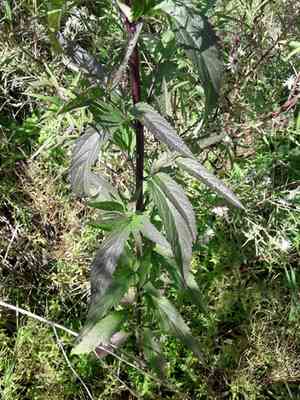
1
Blue vervain tolerates temperatures down to -30°C (-22°F) with adequate care.
2
Applying mulch aids in preserving soil dampness and insulates Blue vervain's roots through severe winters.
3
Strategic trimming prior to winter deters illness and insect problems in Blue vervain.
Why Is Overwintering Blue vervain Important?
Why Is Overwintering Blue vervain Important?
Protecting Blue vervain through winter is crucial for its survival and continued vigor each year. While Blue vervain is resilient and can endure frost, measures taken to safeguard it during colder periods can significantly boost its health and lifespan. Rapid temperature shifts, harsh winds, and ice buildup can stress the plant. By overwintering, you help Blue vervain conserve energy and resources, leading to strong growth in spring.
Preparing Blue vervain for Winter
Pruning and Cleaning
Before the initial frost, take time to trim Blue vervain. Cut stems back to approximately 10 centimeters (4 inches) above the soil. This directs the plant's energy towards root survival instead of foliage upkeep. Removing dead or diseased plant parts also reduces pest and disease risks, which are more common during damp, cold periods.
Mulching and Soil Protection
Applying a mulch layer around the base of Blue vervain is vital. Use organic mulch like straw, leaf mold, or compost, about 5-8 centimeters (2-3 inches) thick. This insulates roots, stabilizes soil temperature, and retains moisture, all crucial for winter plant survival. Mulch also prevents soil erosion and suppresses weed growth that competes for nutrients.
Ideal Winter Conditions for Blue vervain
Temperature Requirements
Blue vervain is frost-tolerant and can withstand low temperatures, often down to -30°C (-22°F). However, for best protection, ensure the plant avoids sudden temperature changes. If you live where winter temperatures drop sharply overnight, consider using garden fleece for extra insulation.
Watering Practices
During winter, Blue vervain needs considerably less water. Over-watering can cause root rot, especially as cold weather slows water evaporation. Keep the soil slightly moist but not saturated. Water sparingly, focusing on checking soil moisture levels rather than adhering to a strict schedule.
Common Issues During Overwintering and How to Solve Them
Pest and Disease Management
In winter, pests like aphids and diseases such as powdery mildew can still threaten Blue vervain, even when less active. Apply a dormant oil spray as a preventative measure to deter pests. Ensure good air circulation around the plant to minimize disease presence. Regular inspections, even in cold months, help detect and resolve issues promptly.
Signs of Stress and Recovery Methods
Winter stress in Blue vervain may not be immediately obvious. Look for signs like wilting, discolored leaves, and unusual spots. If these appear, it might indicate inadequate soil moisture or temperature stress. Address these by adjusting watering and adding more mulch. Ensure proper soil drainage to prevent root rot from waterlogging.
Post-Winter Care for Blue vervain
Gradual Reintroduction to Outdoor Conditions
As spring nears and frost recedes, gradually remove mulch layers. Slowly expose Blue vervain to the outdoor environment to help it adjust to changing temperatures. Abrupt changes can shock the plant, so a gradual reintroduction aids efficient adaptation.
Boosting Growth with Proper Nutrition
After winter dormancy, Blue vervain greatly benefits from a nutrient boost. Apply a balanced, slow-release fertilizer around the plant's base as new growth emerges. This provides essential nutrients for vigorous development. Regularly check soil health and adjust fertilization as needed based on the plant's response.



