How to Overwinter Koreanspice viburnum
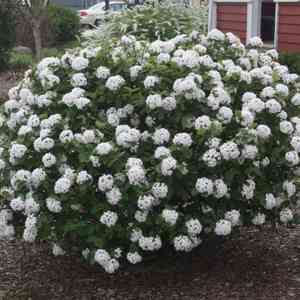
1
Koreanspice viburnum tolerates cold and endures low temperatures with appropriate attention.
2
Applying mulch safeguards Koreanspice viburnum roots from extreme cold.
3
Wrapping with burlap offers extra defense against freezing and strong winter gusts.
Understanding Koreanspice viburnum's Winter Needs
Understanding Koreanspice viburnum's Winter Needs
To ensure your Koreanspice viburnum remains healthy and vibrant, grasping its specific winter requirements is crucial. This deciduous shrub, celebrated for its spring fragrance, demands careful preparation as temperatures fall. Being frost-hardy, it thrives in colder climates, but certain actions aid successful overwintering. Key considerations include proper trimming, soil care, watering practices, and protective measures against extreme elements.
Preparing Koreanspice viburnum for Winter
Pruning Tips to Encourage Winter Hardiness
Pruning is vital for readying your Koreanspice viburnum for winter. Ideally, trim your plant in late autumn, prior to the first frost. Remove any dead or damaged branches, along with shoots that could harm healthy parts of the shrub. This process improves air circulation and helps the plant conserve energy needed to survive winter.
Soil and Mulching Practices
Soil condition and mulch use are essential for safeguarding your Koreanspice viburnum. Ensure well-draining soil to prevent waterlogging, which can harm roots. Applying a thick mulch layer, about 5-7 cm (2-3 inches), around the plant's base insulates roots. Use organic materials like straw or bark mulch for added protection and to retain soil moisture.
Watering Guidelines Before Frost Sets
Proper watering before the ground freezes is another important step. Ensure your Koreanspice viburnum receives a deep watering, approximately 25 liters (6.6 gallons) per plant, to help roots store sufficient moisture. However, avoid watering just before a frost, as wet soil can freeze and damage the root system. Aim to water in the early morning when temperatures are relatively warmer.
Protecting Koreanspice viburnum During Winter
Using Burlap or Frost Cloths
Using burlap or frost cloths can shield your Koreanspice viburnum from harsh winter elements. Draping burlap over the shrub acts as a barrier against wind and frost. Ensure the covering is securely fastened to prevent it from blowing away but also allow some air circulation to reduce the risk of mold.
Creating Windbreaks
Windbreaks are another effective way to safeguard your Koreanspice viburnum against cold winds. Position barriers, such as wooden planks or other dense materials, on the side of the prevailing winds. This setup can reduce wind speed and help maintain a more stable temperature around the plant.
Managing Snow and Ice Accumulation
Snow can act as an insulator, but it can also be heavy and damaging. After heavy snowfall, gently brush off accumulated snow to prevent branches from breaking. Be cautious with ice, as trying to remove it forcefully can harm the plant. It's best to let ice naturally melt to avoid damaging the delicate branches.
Monitoring Koreanspice viburnum Throughout Winter
Signs of Winter Stress and Damage
Regular monitoring of your Koreanspice viburnum can help you catch any signs of winter stress early. Look for symptoms such as browning or blackening of leaves and branches, and breakage due to ice or snow load. Catching these signs early allows for timely intervention to prevent further damage.
Adjusting Care for Unexpected Weather Changes
Weather changes can be unpredictable, and adapting care accordingly is crucial. If there are sudden drops in temperature, provide additional protection such as adding more mulch or reapplying frost cloths. Conversely, during unexpected warm spells, ensure the plant stays hydrated but not waterlogged.
Post-Winter Care for Koreanspice viburnum
Inspecting for Damage and Pruning
As winter ends, inspect your Koreanspice viburnum for any damage. Prune away any dead or damaged branches to encourage new growth. This step helps the plant recover more quickly and maintain its shape and health.
Gradually Resuming Regular Watering and Feeding
Gradually resume regular watering once the ground has thawed. Begin a consistent watering schedule and start feeding with a balanced fertilizer to support new growth. This gradual reintroduction helps the plant transition smoothly from winter dormancy to active growth.



