How to Overwinter Laurustinus
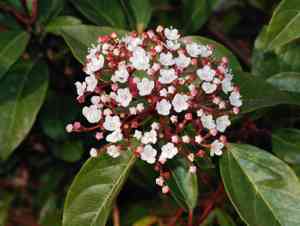
1
Did you know Laurustinus can withstand temperatures as low as -15°C (5°F)? Although resilient, safeguarding it from harsh winter elements promotes optimal well-being.
2
Applying mulch around the base of Laurustinus aids in moderating soil temperature and moisture, providing extra defense throughout the colder season.
3
Container planting provides versatility, enabling you to relocate your Laurustinus to a more protected area when severe weather is anticipated.
Understanding Laurustinus Frost Hardiness
Understanding Laurustinus Frost Hardiness
Laurustinus is a resilient and sturdy plant capable of enduring significant temperature drops, down to -15°C (5°F). This adaptability makes it a popular choice in many gardens, especially in areas with mild winters. However, despite its frost hardiness, providing some winter care ensures the plant not only survives but flourishes.
Why is Overwintering Important for Laurustinus?
Protecting Flower Buds
A key reason for overwintering is to safeguard the delicate flower buds of the Laurustinus. These buds are more vulnerable to frost damage than the plant's tougher parts. Covering the plant or relocating it to a sheltered spot can prevent frost from harming these buds, guaranteeing a beautiful bloom in spring.
Preventing Root Damage
Roots are vital for any plant's survival. For Laurustinus, maintaining root health during winter is crucial. While the plant is tough, repeated freezing and thawing can harm its roots. Applying a thick layer of mulch (around 5-10 cm or 2-4 inches) can insulate the roots, keeping soil temperature stable and protecting the plant.
How to Prepare Laurustinus for Winter
Pruning Techniques
Pruning your Laurustinus before winter arrives is essential. Remove any dead or diseased branches to prevent them from draining energy during the cold months. Prune to shape the plant, ensuring good air circulation among the branches. This step helps reduce the plant's susceptibility to diseases and promotes healthy growth in spring.
Soil and Mulching Tips
Prepare the soil by ensuring it drains well to prevent water from freezing around the roots. Adding compost or organic matter can enhance soil structure. After pruning and soil preparation, apply a generous layer of mulch around the base. Mulch not only insulates but also retains moisture, which is vital for the plant during its dormant period.
What are the Best Locations for Overwintering Laurustinus?
Positioning in the Garden
In the garden, place your Laurustinus in a protected spot away from strong winds. A location with partial shade can be beneficial, shielding it from both intense winter sun and strong winds that can dehydrate the plant. The south or west side of buildings often offers a good balance.
Using Pots and Containers
Containers provide flexibility for Laurustinus care. If your plant is potted, you can move it indoors during peak winter or into a frost-free garage. Ensure the container is large enough for the root ball and insulate the base by wrapping it with burlap or moving it to a protected area during freezing temperatures.
Maintaining Laurustinus During Winter Months
Watering Needs
While Laurustinus needs less water in winter, it's important not to let the soil completely dry out. Water the plant deeply but infrequently, ensuring the soil stays moist without becoming waterlogged. Check moisture levels regularly, especially during dry periods.
Monitoring for Pests and Diseases
Winter does not make plants immune to pests or diseases. Regularly inspect your Laurustinus for signs of trouble, such as pests hidden in the mulch or fungal diseases on damp leaves. Using organic pest control methods and ensuring good air circulation can help maintain a healthy plant throughout winter.



