How to Overwinter Spanish dagger
1
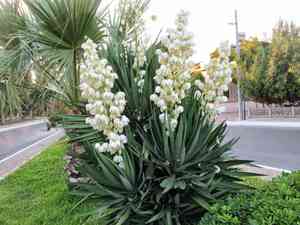
Yucca gloriosa is resilient and can withstand brief periods of frost, but needs specific attention for extended freezing temperatures.
2
During winter, water infrequently to avoid root decay, a frequent problem for Yucca gloriosa in colder periods.
3
Applying mulch can greatly improve the plant's chances of survival by protecting its root system from severe cold.
Understanding Spanish dagger's Winter Requirements
Understanding Spanish dagger's Winter Requirements
The Spanish dagger, a robust yet attractive garden addition, tolerates cooler temperatures but needs specific care to flourish through winter. Originating from the southeastern United States, this plant is accustomed to milder winters and struggles in extended freezing conditions. Therefore, comprehending and fulfilling its winter needs is crucial to ensure it returns healthy and vibrant in spring.
Preparing Spanish dagger for Winter
Assessing the Plant's Health
Before readying your Spanish dagger for winter, it's vital to evaluate its condition. Look for signs of illness or pest infestations, as these can hinder the plant's ability to survive cold months. Remove any dead or damaged foliage and address any problems promptly. A healthy plant is more likely to endure harsh winter weather.
Pruning Techniques
Pruning Spanish dagger is another key step in winter preparation. Trim back any excessively long or damaged leaves to lessen stress on the plant. Be sure to use clean, sharp tools for precise cuts and to prevent introducing pathogens. Pruning helps the plant focus energy on winter survival rather than maintaining unnecessary growth.
Watering and Soil Moisture Management
While Spanish dagger is relatively drought-tolerant, it's essential to adjust its watering schedule as autumn shifts to winter. Reduce watering frequency to prevent waterlogged soil, which can lead to root rot. Ensure the soil drains well and avoid watering when the ground is frozen. Aim to keep the soil moist but not saturated, allowing the plant to stay hydrated without risking root damage.
Mulching to Protect Spanish dagger
Types of Mulch
Mulching is a very effective way to protect Spanish dagger during winter. Organic mulches, such as wood chips, straw, or pine needles, are best for insulating roots. These materials help retain moisture and create a barrier against temperature changes. Avoid using heavy or dense mulches that can restrict proper airflow to the roots.
Proper Mulching Techniques
Apply a 5-10 cm (2-4 inches) layer of mulch around the base of the Spanish dagger, extending outward to thoroughly cover the root zone. Ensure the mulch does not directly touch the plant's base, as this can encourage rot. This insulating layer will help shield the roots from freezing temperatures and fluctuating winter conditions.
Temperature Considerations for Spanish dagger
Ideal Temperature Range
Spanish dagger can withstand temperatures as low as -10°C (14°F) for brief periods. However, it thrives best in temperatures above 1°C (34°F). Extended exposure to sub-zero temperatures can harm the plant, making it crucial to provide extra protection if your area experiences severe cold snaps.
Using Frost Blankets
During particularly cold periods, using frost blankets can offer additional protection for your Spanish dagger. These lightweight, breathable covers shield the plant from frost without trapping excess moisture. Drape the blanket over the plant in the evening and remove it during the day when temperatures rise. This simple measure can significantly help safeguard your plant against frost damage.
Indoor Care for Spanish dagger During Winter
Choosing the Right Spot Indoors
If you opt to bring your Spanish dagger indoors for winter, select a location with ample natural light. A south-facing window is perfect. Ensure the temperature remains stable, avoiding drafts from windows or doors. This consistent environment will help the plant adapt to its temporary indoor setting.
Managing Light Conditions
Light is a critical factor for indoor winter care. Spanish dagger requires bright, indirect light to flourish. If natural light is insufficient, consider using a grow light as a supplement. Position the light source 30-45 cm (12-18 inches) above the plant and provide 12-14 hours of light daily to best mimic outdoor conditions.
Monitoring Indoor Humidity
Indoor heating can create dry conditions, which are not ideal for Spanish dagger. Increase humidity using a humidifier or by placing a water tray near the plant. Misting the plant occasionally can also help, but avoid overdoing it to prevent fungal issues. Aim to maintain humidity levels between 40-60%.



