How to Overwinter Coontie
1
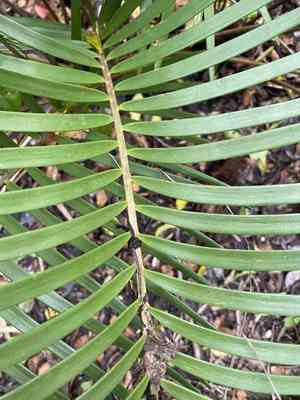
Coontie plants are evergreen cycads that are delicate and need careful protection during winter in colder regions.
2
They flourish in temperatures exceeding 55°F (13°C) but can suffer harm from frost exposure.
3
Coontie plants favor soil that drains effectively and environments with average humidity.
Why is Overwintering Coontie Important?
Why is Overwintering Coontie Important?
Safeguarding Coontie plants through winter is vital for their survival, especially in areas where temperatures fall below their tolerance. Originating from warmer climates, Coontie plants cannot endure frost and freezing conditions, which can lead to severe harm or even death. Proper winterization methods preserve the plantâs health and ensure it remains strong and vibrant for the subsequent growing season. This guide offers practical steps to help your Coontie flourish even in cold weather.
Preparing Coontie for Winter
Inspecting Your Plant for Pests and Diseases
Before winter arrives, thoroughly check your Coontie for any indications of pests or diseases. Common invaders like scale insects and mealybugs can weaken the plant, making it less resistant to cold. Eliminate any infestations using a mild insecticidal soap or neem oil. For diseases, trim off affected parts and dispose of them properly to stop further spread.
Pruning and Cleaning the Plant
Pruning is crucial for maintaining your Coontie's health. Remove dead or damaged fronds to lessen the plantâs stress and enhance its appearance. Additionally, cleaning the plant by clearing debris and fallen leaves helps prevent mold and pest issues during winter. Sanitize pruning tools before and after use to avoid disease transmission.
Soil and Nutrient Management
Ensure your Coontie is in well-draining soil to prevent waterlogging, which can be harmful in colder months. Improve soil drainage by adding sand or perlite if needed. Fertilize your Coontie with a balanced, slow-release fertilizer to supply essential nutrients throughout winter. Avoid over-fertilizing, as excessive nutrients can damage roots.
How to Protect Coontie from Frost?
Using Mulch for Insulation
Mulching is an excellent way to insulate your Coontie's roots from the cold. Apply a 5-10 cm (2-4 inch) layer of organic mulch, such as pine bark or straw, around the plant's base. This helps retain soil warmth and moisture, providing a protective barrier against frost.
Covering with Frost Cloths
On nights with anticipated frost, cover your Coontie with frost cloths or old bedsheets. Make sure the material reaches the ground to trap warmth, and secure it firmly to prevent it from blowing away. Do not use plastic, as it can trap moisture and cause condensation, potentially harming the plant.
Creating Wind Barriers
Wind can intensify the effects of cold weather on plants. Building a wind barrier using burlap or other breathable materials can offer extra protection for your Coontie. Position the barrier on the windward side of the plant to shield it from harsh, drying winds.
Indoor Care for Coontie During Winter
Ideal Indoor Conditions
If you reside in an area with particularly severe winters, consider bringing your Coontie indoors. Select a spot that maintains temperatures between 15-24°C (59-75°F) with bright, indirect sunlight. A sunroom or a well-lit corner of your home can serve as a perfect winter sanctuary for your plant.
Watering and Humidity Levels
Indoor environments can be dry, so maintain moderate humidity levels around your Coontie. Mist the plant occasionally or place a humidity tray nearby to increase air moisture. Water the plant sparingly, allowing the soil to dry out slightly between waterings to prevent root rot.
Monitoring Light and Temperature
Ensure your Coontie receives sufficient light by placing it near a window with filtered sunlight. Avoid direct sunlight, which can scorch the leaves. Keep the temperature stable, avoiding cold drafts from windows or doors. Consider using a space heater if necessary to maintain a consistent, warm environment.



