How to Overwinter Zanzibar gem
1
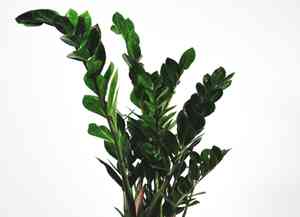
The ZZ plant is a resilient houseplant, making it a favored option for indoor cultivators.
2
Successful winter care requires modifying irrigation schedules and providing adequate light.
3
Always check for insects and illnesses prior to moving your ZZ plant inside for the cold season.
What is Overwintering?
What is Overwintering?
Overwintering describes the method of safeguarding plants from harsh winter conditions, ensuring their survival and vitality until the next growing season. For indoor plants like the Zanzibar gem, this involves modifying care routines to suit the lower light, cooler temperatures, and reduced humidity typically found indoors during winter.
Preparing Zanzibar gem for Overwintering
Inspect for Pests and Diseases
Before relocating your Zanzibar gem indoors, perform a thorough check for pests such as spider mites, mealybugs, and aphids. Look for discolored foliage, webbing, or sticky residue on the plant. If pests are found, treat the plant with an appropriate insecticidal soap or neem oil solution. Ensuring your plant is pest-free prevents potential home infestations.
Pruning and Cleaning
Remove any dead or yellowing leaves to promote healthy development and lessen the chance of disease. Wipe the leaves with a damp cloth to remove dust and debris, which can harbor pests and obstruct light. Cleanliness is crucial for maintaining a healthy plant during the colder months.
Adjust Watering Routine
During winter, the Zanzibar gem needs less water as it enters a dormant phase. Water only when the top 2-5 centimeters (1-2 inches) of soil feel dry. Excessive watering can lead to root rot, a common problem for indoor plants in winter. Ensure the pot has adequate drainage to prevent water from accumulating at the bottom.
Ensure Proper Lighting
The Zanzibar gem thrives in low to moderate light. Position your plant near a window with indirect sunlight, ideally a north or east-facing window. If natural light is insufficient, consider using a grow light for supplementation. Avoid direct sunlight, as it can scorch the leaves.
Indoor Overwintering Techniques for Zanzibar gem
Choosing the Right Location
Select a spot in your home that maintains relatively stable temperature and light. An area with indirect sunlight and minimal drafts is ideal. Avoid placing your Zanzibar gem near heating vents or radiators, as temperature fluctuations can stress the plant.
Maintaining Optimal Temperature
The Zanzibar gem prefers temperatures between 15-24°C (60-75°F). Keep your plant away from cold windows and doors to prevent exposure to chilly drafts. Indoor conditions within this temperature range support the plant's healthy growth during the winter.
Humidity Control
Winter heating can dry out indoor air. To maintain sufficient humidity around your Zanzibar gem, place a humidifier nearby or set the plant on a tray filled with pebbles and water. Misting the leaves occasionally can also help maintain moisture levels.
Monitoring for Stress Signs
Regularly check your Zanzibar gem for signs of stress, such as yellowing leaves or drooping stems. These symptoms can indicate issues like insufficient light, over or underwatering, or pest problems. Early detection and correction will keep your plant healthy throughout the winter.
Common Problems and Solutions in Overwintering Zanzibar gem
Yellowing Leaves
Yellowing leaves can result from overwatering or inadequate light. Adjust your watering schedule, ensuring the soil dries out between waterings, and move the plant to a brighter location if necessary.
Root Rot
Root rot is a serious issue caused by waterlogged soil. If you suspect root rot, check the roots for mushiness or a foul odor. Repot the plant in fresh, well-draining soil and reduce watering frequency to prevent further damage.
Pest Infestations
Indoor conditions can sometimes lead to pest infestations. Regularly inspect your Zanzibar gem and treat any pest issues promptly with insecticidal soap or neem oil to keep the plant pest-free.
When and How to Transition Back After Winter
Gradual Acclimatization
As spring approaches and temperatures rise, gradually acclimatize your Zanzibar gem to outdoor conditions. Start by placing it outdoors in a shaded area for a few hours each day, gradually increasing the time and sunlight exposure over a couple of weeks.
Increasing Water and Fertilizer
Resume a regular watering and fertilizing schedule as the plant transitions back to active growth. Water more frequently and begin feeding with a balanced liquid fertilizer every 4-6 weeks, providing the nutrients needed for robust growth.



