How to Propagate White fir?
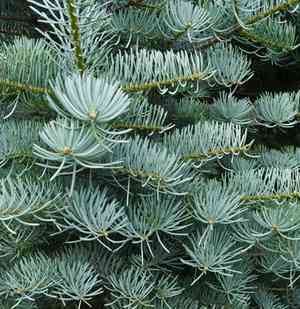
White fir reproduces most effectively in Fall and Winter via layering, cuttings, and seeding. This propagation process can present a moderate level of difficulty, yet indicators of success include fresh development and robust root systems. Guarantee optimal soil and hydration levels to enhance the likelihood of success.
Optimal Period for White Fir Propagation
Propagation Method
Cutting
Propagation Season
Autumn,Winter
Tools Required for White Fir Propagation
Sharp pruning shears
These are vital for obtaining cuttings from white fir. The shears must be sharp to ensure a clean cut that will not crush the stem tissues, which is crucial for promoting healthy root development.
Rooting hormone powder or gel
This product aids in root formation on white fir cuttings, increasing the likelihood of successful propagation by stimulating root growth at the cut site.
Sterile potting mix
A sterile substrate is essential to prevent disease and provide a nourishing environment for white fir cuttings. It ensures good aeration and moisture retention, critical for root development.
Propagation tray or pots
These containers hold the potting mix and white fir cuttings in a stable environment. Transparent lids can be beneficial to retain humidity and warmth, simulating a mini-greenhouse effect.
Heating mat
Especially useful for providing consistent bottom warmth, which can greatly improve the rooting success rate of white fir cuttings, as they often root best with gentle heat.
Misting bottle or system
Used to maintain high humidity around white fir cuttings, minimizing water loss through leaves and creating conditions conducive to root formation.
Labels and marker
These are important for identifying white fir cuttings and keeping track of propagation times. This ensures proper monitoring and care throughout the propagation process.
Post-Propagation Care for Your White Fir
Post-Propagation Care for Your White Fir
Once roots have developed, typically within a few weeks, gradually acclimate white fir to less humid conditions by making small holes in the plastic covering and eventually removing it completely. Continue to keep the soil consistently moist, but not waterlogged, and provide white fir with adequate light. Once established, transplant white fir into a larger pot or outdoor location that meets its need for full sun to partial shade, and well-drained soil. As white fir is a larger tree species when mature, ensure it has ample space to grow. Regularly check for pests and diseases and provide necessary care to maintain plant health.
Common Errors to Avoid When Propagating White Fir
Overwatering cuttings
Excess moisture can lead to rot, especially in the early stages of propagation when white fir's cuttings are trying to root. Saturated soil lacks sufficient aeration, depriving the developing roots of oxygen.
Ignoring hygiene
Not sterilizing equipment or using fresh potting mix can introduce fungi or pathogens that could harm white fir's fragile cuttings or seeds, potentially leading to diseases.
Planting seeds too deep
If seeds are planted too deep in the soil, they might not receive enough light or oxygen to germinate properly, leading to poor or no sprouting at all.
Neglecting humidity for cuttings
White fir's cuttings require a high humidity environment to prevent them from drying out before they root. Ignoring this need can cause the cuttings to wilt and die.
Choosing weak parent material
Taking cuttings from an unhealthy parent plant can result in weak offspring that may not survive. Vigor is generally inherited, so the parent plant should be strong and healthy.
Tips For Propagating White Fir
Careful water management
Maintain evenly moist (not soaked) soil for white fir's cuttings or seeds to prevent drying out or rot, and ensure good drainage in the propagation medium.
Use of sterilized equipment
Always use clean and sterilized cutting tools and pots to minimize the risk of disease, which is crucial for the sensitive propagation phase of white fir.
Appropriate seed depth
Sow white fir's seeds superficially, as they need light to germinate. Covering them with a thin layer of soil or vermiculite can protect them while still allowing light penetration.
Maintaining high humidity
Use a humidity dome or plastic bag over the cuttings to retain moisture in the air around white fir, being careful to ventilate periodically to prevent mold growth.
Selecting robust parent material
Choose healthy and vigorous parent plants for taking cuttings, as this directly impacts the success rate and overall health of white fir's propagated plants.



