How to Propagate Noble fir?
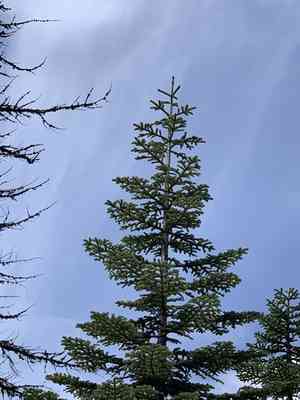
Hailing from elevated regions, Abies procera flourishes in colder environments and necessitates particular propagation methods. Cuttings, typically from semi-lignified stems, must be carefully collected and treated with a rooting stimulant to boost successful rooting. Insert cuttings into a free-draining, pathogen-free substrate to avert decay, sustaining moisture and diffused illumination until root systems develop. Consistent observation for fungal diseases is vital to guarantee robust development.
When Is the Optimal Time to Propagate Noble Fir?
Propagation Method
Cutting
Propagation Period
Autumn,Winter
What Tools Are Necessary for Noble Fir Propagation?
Sharp Pruning Shears
Crucial for taking cuttings from noble fir, sharp pruning shears ensure a clean, precise cut that minimizes damage to the parent plant and improves the chances of successful rooting. The clean cut made by well-maintained shears helps prevent infection and encourages quicker healing.
Rooting Hormone
This substance is crucial for stimulating root growth from cuttings of noble fir. By dipping the cut end of the cutting into rooting hormone, you enhance root development, which is vital for the establishment of new noble fir plants. Rooting hormones often contain fungicides to prevent rot, which is beneficial for the cuttings during the sensitive phase of root initiation.
Sterile Propagation Medium
A high-quality, sterile propagation medium provides the necessary environment for noble fir cuttings to root. This medium should be free from pathogens and have good water retention yet be well-draining. Perlite, vermiculite, or a mix specifically designed for woody plants are suitable choices that support the development of healthy roots without retaining excessive moisture that could lead to rot.
Humidity Dome or Propagation Chamber
Maintaining a high humidity environment is critical for the survival of noble fir cuttings as it prevents them from drying out before they have developed roots. A humidity dome or chamber keeps the air around the cuttings moist, enhancing rooting success. It is particularly beneficial for noble fir, which requires consistent moisture levels during the initial rooting period.
Heat Mat
A heat mat promotes successful root development in noble fir cuttings by maintaining a consistent and suitable temperature at the base of the propagation medium. This gentle warmth stimulates root growth and improves the overall success rates of rooting, especially in cooler environments or seasons.
How to Propagate Noble Fir?
Propagation Type
Moderately Difficult
How to Care for Your Newly Propagated Noble Fir?
How to Care for Your Newly Propagated Noble Fir?
Once the noble fir cutting has established roots, gradually acclimate it to less humid conditions by removing the bag or dome for longer periods each day. Transplant it into a larger pot or the ground when the root system is robust. Ensure noble fir is planted in well-drained soil and receives full sun to partial shade. Maintain consistent moisture without over-watering and apply a balanced fertilizer during the growing season for optimal health.
Common Mistakes to Avoid When Propagating Noble Fir
Inadequate Seed Stratification
Without proper cold stratification, noble fir's seeds may fail to germinate because they require a period of cold to break dormancy.
Overwatering Cuttings
Too much moisture can lead to fungal growth and rot, which is detrimental to the health of noble fir's cuttings and can prevent rooting.
Using Old Seeds
Seeds that are too old may have a significantly reduced germination rate, making it difficult to propagate new noble fir plants successfully.
Neglecting Soil Composition
Noble fir's seeds and cuttings require well-draining soil to prevent waterlogging and root rot, which can occur if the soil retains too much moisture.
Ignoring Sanitization Practices
Not sterilizing propagation tools can introduce diseases to noble fir, which can spread rapidly and compromise the propagation process.
Planting at Incorrect Depth
Planting seeds or cuttings too deep or too shallow can impede noble fir's germination and rooting, which are crucial phases in successful propagation.
Tips For Propagating Noble Fir
Cold Stratify Seeds
Expose noble fir's seeds to cold temperatures before sowing to simulate natural winter conditions, improving chances of germination.
Moderate Watering
Maintain a consistent but moderate watering routine for noble fir's cuttings to ensure adequate moisture without oversaturation.
Seed Viability Test
Conduct a viability test on noble fir's seeds, such as a float test, to ensure you are using seeds with a higher chance of successful germination.
Optimal Soil Mixture
Use a soil mixture that provides good drainage and aeration to establish a healthy root system for noble fir seedlings and cuttings.
Sanitize Equipment
Clean and disinfect all propagation tools before use to minimize the risk of disease transmission to noble fir.
Correct Planting Depth
Ensure seeds and cuttings of noble fir are planted at the appropriate depth to facilitate proper germination and rooting.



