How to Propagate Pearl acacia?
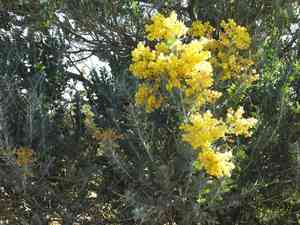
The pearl acacia, a lively evergreen recognized for its soft, circular leaves and vivid yellow globular blossoms, flourishes with proper propagation. Cultivators can achieve favorable outcomes by obtaining semi-hardwood sections from robust, established specimens. It is crucial to ensure a precise incision and select a substrate that drains effectively. To encourage superior root formation, applying a rooting stimulant to the cuttings prior to situating them in a moisture-holding but aerated setting will improve the propagation procedure. Periodically inspect for root growth, and offer delicate attention, as pearl acacia transplants most successfully when roots are developed but not excessively dense.
Optimal Time for Pearl Acacia Propagation
Propagation Method
Cutting
Propagation Period
Autumn,Winter
Tools for Pearl Acacia Propagation
Sharp pruning shears
These are vital for making clean, precise cuts on pearl acacia's cuttings. Sharp shears minimize tissue damage, aiding healing and reducing infection risk. They are crucial for cutting semi-ripe stem sections during the ideal propagation time, typically late winter or early spring.
Rooting hormone
This chemical helps stimulate root growth from the nodes of pearl acacia's cuttings. Applying rooting hormone to the cut stem end encourages faster root initiation, essential for successful new plant establishment. This is especially important for pearl acacia, which benefits from accelerated root development to improve survival and establishment rates.
Sterilized potting mix
A well-draining, sterile potting mix offers an ideal environment for rooting pearl acacia's cuttings. It prevents contamination and disease, both critical for the health and viability of young plants. The mix should ideally include components like perlite or vermiculite to improve drainage and aeration, fostering healthy root development without waterlogging delicate new roots.
Propagation trays with humidity domes
These trays provide a controlled environment necessary to maintain optimal humidity and temperature for pearl acacia cuttings to root. The humidity dome helps retain moisture and warmth around the cuttings, crucial for encouraging root growth and preventing them from drying out before a robust root system can establish.
Heat mats
Placing propagation trays on heat mats can significantly boost the rooting success of pearl acacia's cuttings, especially in cooler climates or during colder times of the year. The gentle, consistent bottom heat from these mats helps maintain an ideal temperature, promoting faster and more consistent root growth.
How to Propagate Pearl Acacia?
Propagation Type
Moderately Difficult
Caring for Newly Propagated Pearl Acacia
How to Care for Your Newly Propagated Pearl Acacia?
Once the pearl acacia cutting has developed a strong root system, acclimate it to the outdoor environment by gradually lowering humidity over a week before removing the cover entirely. Transplant the pearl acacia into a larger pot or a prepared garden spot with similar soil conditions. Water thoroughly but infrequently, allowing the topsoil to dry between waterings to mimic pearl acacia's natural dry habitat. Provide full sun to partial shade and protect from strong winds. Regularly inspect for and manage pests and diseases common to the species.
Common Mistakes to Avoid When Propagating Pearl Acacia
Waterlogging
Excessive watering of pearl acacia seeds or cuttings can lead to waterlogging, causing root rot, which is detrimental to the plant's health and hinders successful propagation.
Deep planting
Planting pearl acacia seeds or cuttings too deeply may prevent them from sprouting or rooting due to insufficient light or air exchange, both vital for germination and rooting processes.
Ignoring pest control
Failing to manage pests can result in infestations that severely damage young plants or cuttings, leading to poor growth or plant failure.
Overfertilizing
Applying too much fertilizer can burn the delicate roots of pearl acacia, potentially killing young plants or preventing proper root establishment.
Improper cutting selection
Using non-viable or diseased pearl acacia cuttings can lead to poor or unsuccessful propagation, as these cuttings are less likely to root and develop into healthy plants.
Tips For Propagating Pearl Acacia
Optimal cutting condition
Select healthy, disease-free semi-hardwood cuttings from pearl acacia to increase the likelihood of successful rooting.
Soil preparation
Ensure the soil or growing medium is well-draining and fertile to encourage healthy root growth without causing waterlogging.
Moisture management
Provide consistent moisture without overwatering to maintain an ideal balance for sprouting seeds or rooting pearl acacia cuttings.
Use of rooting hormone
Applying a rooting hormone to the cut end of pearl acacia cuttings can enhance root development and improve propagation outcomes.
Adequate spacing
Space seeds and cuttings appropriately to ensure each has ample room to grow and access to sufficient nutrients, leading to stronger, healthier plants.



