How to Propagate Box elder?
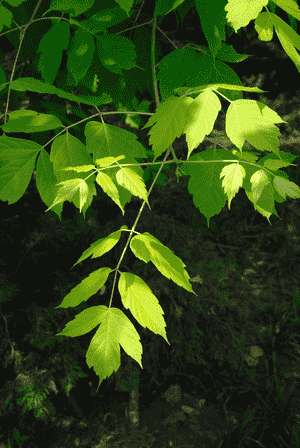
Acer negundo can be multiplied via dormant wood cuttings, air layering, and planting seeds in the prime period of Fall and Winter. The ease of propagation is minimal, and indicators of successful multiplication involve root formation and fresh shoots. It is crucial to guarantee steady soil dampness and to place the cutting/seed in a warm, sheltered location.
Optimal Time for Box Elder Propagation
Propagation Method
Cutting
Propagation Period
Autumn,Winter
Tools for Box Elder Propagation
Clean, sharp pruning shears
Used for taking cuttings from box elder, a precise, clean cut minimizes harm to the parent plant and the cutting, which helps prevent infection and promotes healthy root development.
Rooting hormone powder or gel
This substance, when applied to the cut end of box elder cuttings, encourages root formation and protects the cut surface from pathogens. Rooting hormone increases the success rate of cuttings taking root.
Sterilized potting mix
A soilless potting mix or a sterile seed starting mix offers a clean, disease-free environment for the roots of box elder cuttings to grow, fostering healthy development and reducing the risk of soil-borne illnesses.
Propagation trays or small pots
These containers hold the potting mix and keep the cuttings of box elder upright. They should provide adequate drainage to prevent root rot while maintaining necessary soil moisture.
Plastic wrap or dome
A clear cover is placed over the propagation tray to create a humid microclimate around box elder cuttings, which helps to retain moisture and warmth, thus encouraging root growth.
Post-Propagation Care for Box Elder
Post-Propagation Care for Box Elder
Once box elder cuttings have developed roots, transfer them to a larger container or into the ground in a location with well-drained soil, partial to full sunlight, and ample room for growth. Ensure consistent watering during the initial growing season to encourage a strong root system, and apply mulch to retain soil moisture and regulate temperature. Prune box elder in late winter to maintain shape and prevent unwanted spreading. Monitor for pests and diseases and treat accordingly. With maturity, box elder will require minimal care, though monitoring for invasive tendencies is recommended.
Common Errors to Avoid When Propagating Box Elder
Overwatering
Providing too much water can lead to root rot, which is detrimental to box elder's health and can impede successful propagation.
Depth of planting seeds
Planting seeds too deep can hinder their ability to germinate, while too shallow planting may expose seeds to elements, risking desiccation or predation.
Ignoring pre-treatment
Failing to stratify or scarify box elder's seeds when necessary can result in poor germination rates, as these methods help to break seed dormancy.
Neglecting cutting health
Using diseased or weak cuttings for propagation can lead to poor growth or spread of disease, compromising the propagation efforts.
Overlooking soil conditions
Using inappropriate soil mix can lead to poor root development and establishment, as box elder requires specific soil conditions for optimal growth.
Tips For Propagating Box Elder
Healthy parent material
Choose vigorous and disease-free parent plants for cutting or seed collection to ensure the best start for the new box elder plants.
Correct seed treatment
Utilize proper seed treatments, such as stratification, if required, to improve box elder's germination rate.
Proper cutting technique
Take cuttings with a clean, sharp tool to prevent damage and disease, and cut at a suitable node to encourage root growth.
Appropriate rooting medium
Select a well-draining and nutrient-rich medium for cuttings to enhance root establishment and support early growth of box elder.
Monitor moisture levels
Maintain consistent moisture without overwatering to provide box elder cuttings or seedlings with the best environment for root development.



