How to Propagate Striped maple?
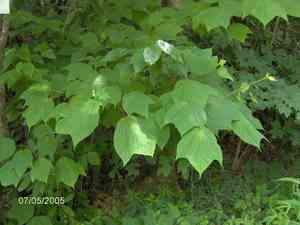
Acer pensylvanicum can be propagated through several techniques, such as dormant stem cuttings, air layering, and seed germination. The ease of propagation differs based on the chosen approach, but successful multiplication is indicated by the emergence of new shoots and root formation. To achieve optimal outcomes, collect cuttings during the fall or winter seasons and guarantee appropriate humidity and thermal conditions.
Optimal Period for Striped Maple Propagation
Propagation Method
Cutting
Propagation Period
Autumn,Winter
Tools for Striped Maple Propagation
Pruning Shears
These are vital for obtaining cuttings from striped maple. Sharp, clean shears ensure a precise cut, minimizing infection risk and promoting better rooting. They should be used to make a diagonal stem cut, increasing surface area for rooting hormone and water uptake.
Rooting Hormone
This compound stimulates root development in plant cuttings. Applying rooting hormone to the cut end of striped maple cuttings can greatly improve rooting success by encouraging new root cell formation.
Sterilization Agent
This is crucial for preventing disease transmission when propagating striped maple. Using a sterilizing agent, such as alcohol or a bleach solution, to clean tools before taking cuttings helps maintain cutting health.
Planters or Seed Trays
These offer an environment for striped maple cuttings to grow in after rooting hormone treatment. It's important to use clean, sterilized containers filled with a suitable growing medium that allows for good drainage and aeration.
Growing Medium
This is a soilless mix or a blend of peat, perlite, and sand, providing a supportive and sterile environment for striped maple cuttings to root. The medium should be kept moist but not waterlogged to prevent rot.
Misting Bottle
This tool is important for keeping striped maple cuttings hydrated without overwatering. A fine mist helps maintain humidity around cuttings, crucial for preventing leaf desiccation before roots form.
Plastic Dome or Cover
This tool creates a mini-greenhouse effect, maintaining high humidity and warm temperatures around striped maple cuttings, which can accelerate rooting. It should be removed periodically for air circulation and to prevent mold growth.
Heating Mat
If propagating striped maple in cooler climates or seasons, a heating mat can provide bottom heat to cuttings, encouraging root growth. Consistent warmth can be especially beneficial for species like striped maple, which may root more easily in a warm environment.
Caring for Your Newly Propagated Striped Maple
Caring for Your Newly Propagated Striped Maple
After propagation, continue to care for your new striped maple by providing an environment that mimics its natural habitat. This includes partial shade, regular watering to maintain slightly moist soil, and protection from strong winds. Fertilize sparingly with a balanced fertilizer during the growing season. As striped maple prefers cooler environments, ensure it's not exposed to excessive heat. Monitor for pests and diseases, and treat accordingly. With proper care, your propagated striped maple will grow into a healthy, mature plant.
Common Errors to Avoid When Propagating Striped Maple
Overwatering
This can lead to root rot, a potentially fatal condition for striped maple. Excessively soggy soil deprives roots of oxygen, which could impede growth or kill the plant.
Ignoring soil ph
The health of striped maple heavily relies on soil conditions. Failing to maintain a slightly acidic pH can result in poor nutrient absorption and weak growth.
Using unsterilized tools
Propagation tools that are not sterilized can introduce pathogens to striped maple. This increases the risk of disease that might compromise or kill the propagated specimens.
Neglecting humidity control
Forgetting to provide a humid environment, especially for cuttings, can result in desiccation and failure to root or grow.
Planting too deep
Burying seeds or cuttings of striped maple too deep can prevent germination or rooting due to insufficient light or air; it can also make them more susceptible to rot.
Tips For Propagating Striped Maple
Use a rooting hormone
Applying a rooting hormone to striped maple cuttings can enhance root development and increase the chances of successful propagation.
Maintain appropriate moisture
Keeping the soil uniformly moist but not waterlogged supports the growth of striped maple without risking root rot.
Prepare suitable soil mix
Ensuring a well-draining and appropriately acidic soil mix will foster a healthy root system for striped maple.
Utilize bottom heat
Gently warming the soil can encourage root growth in striped maple cuttings without overheating and damaging the plant.
Provide indirect light
Offering bright but indirect light supports photosynthesis and growth without the risk of scorching new striped maple growth.



