How to Propagate Mountain maple?
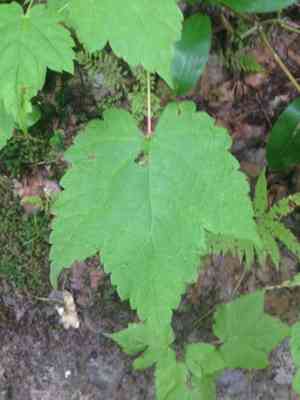
Mountain maple flourishes when reproduced via cuttings. It is recommended to choose robust stem ends to improve the chances of successful root formation. Employ rooting stimulant to boost root growth and confirm the cuttings are situated in a soil blend that drains effectively. Preserve steady dampness and offer diffused illumination throughout the preliminary growth period to foster robust progress.
Optimal Period for Mountain Maple Propagation
Propagation Type
Cutting
Propagation Season
Autumn,Winter
Tools for Mountain Maple Propagation
Sharp Pruning Shears
These are vital for making clean, precise cuts when taking mountain maple cuttings. Sharp blades ensure smooth cuts, minimizing damage to the parent plant, which reduces disease risk and promotes faster healing. For mountain maple, a clean cut is key for successful rooting.
Rooting Hormone
This chemical compound encourages root development from mountain maple cuttings. Dipping the cut end into rooting hormone significantly boosts the likelihood and speed of root formation, especially beneficial for mountain maple which might otherwise root slowly or with difficulty.
Sterile Potting Mix
A specially formulated, pathogen-free potting mix is crucial for cutting health during rooting. A sterile medium prevents soil-borne diseases from spreading to new mountain maple cuttings, providing a safe environment for root establishment.
Humidity Dome or Plastic Bag
Maintaining high humidity around mountain maple cuttings is essential during rooting. A humidity dome or clear plastic bag can cover cuttings and their container, trapping moisture and preventing delicate new roots from drying out. This creates a micro-environment mimicking mountain maple's natural conditions, enhancing rooting success.
Heat Mat
Applying bottom heat can greatly improve mountain maple rooting success. A heat mat maintains a consistent, optimal temperature at the base of the potting container, encouraging faster root growth and healthier early development of mountain maple cuttings.
Propagating Mountain Maple Guide
Propagation Type
Moderately Difficult
Post-Propagation Care for Mountain Maple
How to Care for Your Newly Propagated Mountain Maple?
Mountain maple needs moderate care after propagation. It thrives in well-drained soil and prefers partial to full sun. Consistent watering is crucial, especially during dry spells, but avoid waterlogging. Mulching helps retain soil moisture and control weeds. Annual late-winter pruning encourages healthy growth and maintains its shape.
Common Errors in Mountain Maple Propagation
Incorrect propagation method
A frequent error is selecting the wrong propagation technique. For mountain maple, propagation is typically successful via seed or cuttings. Using unsuitable methods like layering may be ineffective and lead to propagation failure.
Overwatering cuttings
Excessive watering of mountain maple cuttings can cause root rot, which is detrimental to new root development. Too much soil moisture creates an environment conducive to fungal infections, compromising cutting health.
Neglecting cleanliness
Using unsterilized tools or containers can introduce pathogens, severely impacting mountain maple health. This can result in diseased cuttings or seeds, hindering their growth and reducing propagation success.
Advice for Propagating Mountain Maple
Seed stratification
For successful seed propagation of mountain maple, stratification is vital. This process involves cold treating seeds before sowing to break dormancy and improve germination.
Proper soil medium for cuttings
Using a well-draining soil mix, ideally rich in organic matter yet providing ample aeration, is crucial for rooting mountain maple cuttings. This medium supports healthy root development without retaining excessive moisture.
Regular monitoring and adjustment
Consistently check moisture levels and light exposure for both mountain maple seedlings and cuttings. Adjust as needed to prevent conditions that could lead to drying out or excessive moisture, both of which can negatively impact propagation success.



