How to Propagate Tartarian maple?
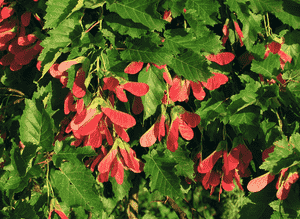
Acer tataricum can be successfully multiplied using the cutting technique. Cultivators ought to choose robust semi-woody cuttings from an established specimen during periods of vigorous development. These cuttings need to possess multiple leaf junctions and be severed directly beneath a junction. A rooting stimulant can boost successful outcomes prior to insertion into a substrate that drains efficiently. Steady hydration and warmth will foster an ideal setting for root formation.
What Is the Best Time To Propagate Tartarian Maple?
Propagation Type
Cutting
Propagation Season
Autumn,Winter
What Tools Are Used in Tartarian Maple Propagation?
Sharp pruning shears
Crucial for obtaining clean, accurate cuttings from tartarian maple. Sharp blades ensure smooth cuts, minimizing harm to the parent plant and boosting the success rate of rooting in the cuttings. A clean cut helps prevent infection and promotes faster healing.
Rooting hormone
Enhances the probability of successful root formation in tartarian maple cuttings. Applying rooting hormone to the cut end stimulates quicker and more effective root growth, which is vital for establishing new plants.
Sterile potting mix
Offers a clean, pathogen-free environment for rooting tartarian maple cuttings. This mix supports proper air circulation and moisture retention, key elements for root development. A sterile medium also lowers the risk of soil-borne diseases affecting young cuttings.
Propagation trays
Utilized to hold multiple tartarian maple cuttings in a regulated setting. These trays help maintain consistent moisture and temperature, both essential for encouraging root growth. Trays should have drainage holes to prevent waterlogging, which could lead to rot.
Plastic covers or humidity domes
Placed over propagation trays to maintain high humidity around tartarian maple cuttings, which helps prevent them from drying out before roots form. The enclosed space also stabilizes temperature, further aiding rooting success.
Heat mats
Optional but beneficial for propagating tartarian maple cuttings, especially in cooler climates. Heat mats gently warm the soil, encouraging faster root development. Consistent, mild warmth can significantly improve the rooting process, providing a more favorable environment for tartarian maple cuttings.
How to Propagate Tartarian Maple?
Propagation Type
Moderately Difficult
How to Care for Your Newly Propagated Tartarian Maple?
How to Care for Your Newly Propagated Tartarian Maple?
Once roots are established, gradually introduce the young tartarian maple plants to ambient conditions if they were previously covered. Begin feeding with a balanced, diluted fertilizer every 4-6 weeks during the active growth period. Ensure the plant receives partial to full sunlight, and maintain consistent watering to keep the soil evenly moist. As tartarian maple can be prone to leaf scorch in hot, dry conditions, providing protection on excessively sunny days may be advantageous. Continue to monitor for pests and diseases, and prune as needed to encourage a robust, healthy structure for new growth.
Common Mistakes to Avoid When Propagating Tartarian Maple
Overwatering
Excessive watering of tartarian maple can lead to root rot, a condition worsened by poor drainage. The constant dampness hinders proper root oxygenation, negatively impacting overall health.
Ignoring hygiene
Failing to sterilize tools can transmit diseases to tartarian maple, such as fungal infections or pests, which can impede growth and propagation efforts.
Neglecting subtypes
Not recognizing the specific needs of tartarian maple's various subtypes can result in improper care practices, hindering successful propagation.
Improper cutting techniques
Incorrect cutting methods can harm tartarian maple's delicate tissues, potentially leading to unsuccessful rooting or infection.
Inadequate rooting medium
Using an unsuitable medium can prevent effective rooting of tartarian maple, as different mediums significantly influence water retention and aeration.
Tips For Propagating Tartarian Maple
Adequate hydration
Ensure tartarian maple receives appropriate water levels, balancing moisture without oversaturation, to encourage healthy root development.
Clean propagation tools
Use sterilized cutting tools for propagation to minimize the risk of transmitting diseases and pests to tartarian maple.
Subtype awareness
Research the exact requirements of tartarian maple's subtype to tailor the propagation approach for optimal conditions and outcomes.
Proper cuttings
Use a sharp, sterilized blade to take cuttings from tartarian maple, making precise cuts to promote better rooting and reduce infection chances.
Optimal rooting medium
Select a rooting medium best suited for tartarian maple, with a balance between drainage and water retention that caters to its specific needs.



