How to Propagate Sweet flag?
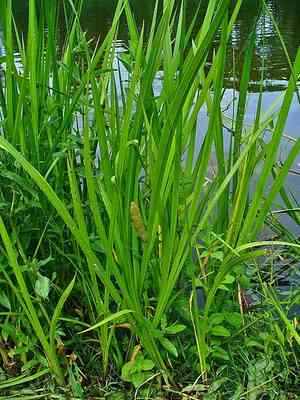
This enduring herbaceous plant is efficiently multiplied by means of the separation technique, which entails splitting established clusters when they are inactive. To guarantee effective regrowth, every detached segment must contain a portion of the root system. Gentle manipulation throughout the procedure can avert harm to the underground stems, thereby improving the likelihood of thriving integration in the fresh site. For peak development, embed the divisions in damp, nutrient-rich earth that offers sufficient water runoff.
Optimal Time for Sweet Flag Propagation
Propagation Type
Division
Propagation Season
Spring,Autumn
Tools for Sweet Flag Propagation
Garden Spade or Sharp Knife
These implements are vital for the division technique used to propagate sweet flag. A keen, clean garden spade or knife aids in cutting through the sweet flag's rhizomes, ensuring precise cuts that prevent unnecessary plant harm. Accurate cuts are crucial for maintaining the health of the rhizome sections, fostering better root development and faster recovery post-division.
Watering Can with a Fine Rose
Following division, providing sweet flag with gentle and uniform watering is essential for its recovery and growth. A watering can equipped with a fine rose attachment delivers a soft water flow, mimicking light rainfall. This prevents disruption of newly planted divisions and assists in settling the soil around the roots, reducing air pockets and enhancing root-to-soil contact.
Gardening Gloves
Wearing gardening gloves during the propagation of sweet flag via division serves not only for personal protection but also helps in handling the plant delicately. The natural oils from hands can sometimes negatively impact sensitive cuts on a plant's rhizomes or hinder root growth.
Rooting Hormone (optional)
For some cultivators, applying a rooting hormone to the cut sections of sweet flag's rhizomes can stimulate faster root development. This is particularly advantageous when propagating less vigorous divisions or when propagating in less-than-ideal conditions.
Garden Fork
A garden fork is perfect for loosening soil around sweet flag, making it simpler to lift the plant for division without significantly disturbing the existing root system. A gentle approach to unearthing the plant is critical to keep as much of the root structure intact as possible, which is beneficial for quick re-establishment.
How to Propagate Sweet Flag?
Propagation Type
Easy
Caring for Your Newly Propagated Sweet Flag
How to Care for Your Newly Propagated Sweet Flag?
Post-propagation, maintain a damp environment for sweet flag, as it thrives in moist conditions. Position the container in a spot with partial shade to emulate its natural habitat, avoiding direct sun which can scorch the leaves. Regularly checking for dry soil and occasional feeding with a balanced liquid fertilizer during the growing season will encourage robust growth. Monitor for pests or diseases and treat as needed to keep sweet flag healthy.
Common Mistakes to Avoid When Propagating Sweet Flag
Overwatering
Excessive moisture can lead to root rot, which is detrimental to sweet flag's health, as it requires well-drained soil.
Deep Planting
Burying sweet flag's rhizomes too deeply can hinder their growth and decrease the chances of successful propagation.
Ignoring Rhizome Health
Using diseased or damaged rhizomes to propagate sweet flag can make the new plants susceptible to illness and may impede growth.
Poor Soil Preparation
Failing to prepare soil that mimics sweet flag's natural habitat can result in suboptimal growth conditions.
Crowding Plants
Sweet flag needs space for growth, and crowded planting could restrict proper development and lead to fungal issues.
Tips For Propagating Sweet Flag
Rhizome Division
Divide sweet flag's rhizomes during propagation to encourage growth, ensuring that each section has at least one growth node.
Moist Environment
Maintain a consistently moist but well-drained environment for sweet flag, which mimics its natural wetland habitat.
Shallow Planting
Plant the rhizomes of sweet flag shallowly to allow for adequate growth and aeration.
Healthy Rhizomes
Select only healthy and robust rhizomes for propagation to ensure the best start for sweet flag.
Suitable Substrate
Use a mix of soil and sand for planting sweet flag, which provides the necessary drainage and a medium resembling its natural growth environment.



