How to Propagate Horse Chestnut?
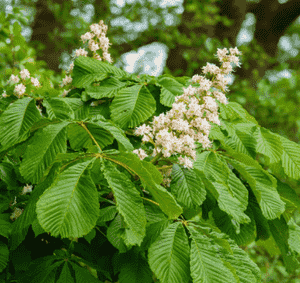
Aesculus hippocastanum can be reproduced via dormant wood cuttings, aerial layering, and planting seeds during the fall or winter seasons. The ease of propagation differs, but indicators of successful reproduction involve the emergence of fresh shoots or root structures. Recommendations for effective propagation might include verifying the plant's robust health and adequate hydration prior to collecting cuttings or initiating propagation.
Optimal Period for Horse Chestnut Propagation
Propagation Method
Cutting
Propagation Season
Autumn,Winter
Tools Required for Horse Chestnut Propagation
Sharp Pruning Shears
These are utilized to obtain cuttings from horse Chestnut with minimal harm to the parent plant. Clean, precise cuts help decrease the risk of infection and enhance the chances of successful rooting.
Rooting Hormone Powder
When applied to the severed end of the stem, it promotes root development, thereby increasing the probability of successful propagation of horse Chestnut .
Sterile Potting Mix
A clean substrate is vital to prevent illness and ensure the cuttings of horse Chestnut have the best environment for root formation.
Propagation Tray with Dome
This apparatus maintains a humid atmosphere around the horse Chestnut cuttings, which is crucial for preventing the cuttings from drying out before they establish roots.
Heat Mat
Used to maintain a steady and appropriate temperature around the horse Chestnut cutting's base. This warmth encourages root growth.
Misting Bottle
Offers a gentle method to keep the horse Chestnut cuttings' foliage and the surrounding environment adequately moist, which is important to prevent desiccation while allowing for sufficient oxygen exchange.
Post-Propagation Care for Your Horse Chestnut
Post-Propagation Care for Your Horse Chestnut
Once the cutting of horse Chestnut has developed robust roots, typically within a few weeks, remove the plastic covering. Continue to irrigate regularly and fertilize with a balanced, slow-release plant food. Gradually acclimatize to outdoor conditions if the cutting was rooted indoors, before transplanting to a permanent site with well-drained soil and full sun to partial shade exposure.
Common Errors to Avoid When Propagating Horse Chestnut
Direct outdoor seed planting
Seeds of horse Chestnut may not sprout effectively when sown directly in the garden due to unpredictable weather conditions and soil temperatures. Low germination rates could result, limiting propagation success.
Neglecting seed stratification
Horse Chestnut seeds require a cold stratification process to break dormancy. Without this, seeds may not germinate at all, as the natural inhibitors are not broken down.
Planting seeds too deep
Burying the seeds of horse Chestnut deeply can hinder their germination due to insufficient light and the difficulty for young seedlings to emerge from the soil.
Ignoring pests and diseases
Failing to monitor horse Chestnut seedlings for signs of pests and diseases can lead to early plant decline or death.
Excessive watering
While it's essential to keep the soil moist, overwatering can cause root rot and fungal diseases, which are detrimental to horse Chestnut .
Tips For Propagating Horse Chestnut
Cold stratify seeds
Expose horse Chestnut seeds to cold temperatures (ideally around 4°C) for about 2-3 months before sowing to improve germination rates.
Provide well-draining soil
Horse Chestnut prefers well-draining, fertile soil. This helps prevent waterlogging and related diseases.
Sow at proper depth
Plant horse Chestnut seeds at a shallow depth of about 1-2 inches to ensure proper light exposure and easy emergence for seedlings.
Pest and disease monitoring
Keep an eye on the seedlings of horse Chestnut for any signs of disease or pest infestations. Early detection enables timely interventions.
Moderate watering
Maintain consistent moisture in the soil without waterlogging. Overwatering can be as harmful as underwatering for horse Chestnut .



