How to Propagate Anise hyssop?
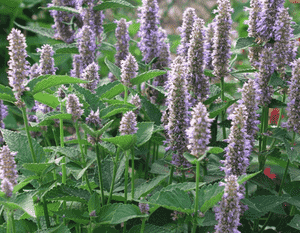
Anise hyssop is best propagated by planting seeds in the spring. This species reproduces quite readily, and successful cultivation is indicated by the appearance of young plants and robust root systems. Provide soil that drains effectively for the best development.
What Is the Best Time To Propagate Anise Hyssop?
Propagation Type
Sowing
Propagation Season
Spring
What Tools Are Used in Anise Hyssop Propagation?
Seed trays or flats
Seed trays or flats are shallow containers with multiple compartments or a large open area that provide an orderly environment for sowing seeds. They allow for even spacing and can accommodate a large number of anise hyssop seeds, facilitating efficient germination and growth. The contained space also simplifies conditions such as humidity and temperature, which are crucial for the germination of anise hyssop seeds.
Sterile potting mix
A sterile potting mix is essential to prevent disease and pests, which could otherwise hinder the germination and growth of anise hyssop seeds. A lightweight and well-draining mix also promotes proper root development. For anise hyssop, a mix with good aeration is beneficial as it allows delicate roots to grow without compaction or waterlogging issues.
Misting bottle or spray nozzle
Misters and spray nozzles provide a gentle way to water the freshly sown seeds of anise hyssop. Since the seeds of anise hyssop need to stay moist without being waterlogged, misting is an ideal method to control moisture levels without disturbing the seeds or causing soil erosion. The fine mist adequately hydrates the soil, promoting successful germination.
Heating mat (optional)
A heating mat gently warms the soil, which can enhance germination rates and speeds for anise hyssop seeds, especially in cooler climates or during colder parts of the year. It maintains a consistent soil temperature, which is beneficial for germination of anise hyssop, without the risk of overheating the seeds.
Plastic dome or cover
A plastic dome or cover assists in maintaining a humid microclimate around the anise hyssop seedlings, which helps prevent the soil from drying out too quickly. This tool mimics greenhouse conditions, providing an ideal atmosphere for germination and early growth by retaining moisture and heat.
How to Propagate Anise Hyssop?
Propagation Type
Sowing
Difficulty Level
Easy
How to Care for Your Newly Propagated Anise Hyssop?
How to Care for Your Newly Propagated Anise Hyssop?
After successfully propagating anise hyssop, maintain even moisture for the young plants, watering when the soil's surface starts to dry. Gradually acclimate them to outdoor conditions if started indoors before transplanting. Provide full to partial sunlight, and fertilize lightly with a balanced fertilizer to encourage growth. Once established, anise hyssop is drought-tolerant but will perform best with regular watering during prolonged dry spells. The plant also benefits from deadheading to promote continued blooming and to prevent excessive self-seeding, if desired.
Common Mistakes to Avoid When Propagating Anise Hyssop
Overwatering
Watering anise hyssop too much can lead to root rot, which is detrimental to its health. This plant prefers well-drained soil and can be prone to fungal diseases if the roots are kept too wet.
Incorrect soil mix
Using a soil mix that doesn't drain well or isn't airy enough can suffocate the roots of anise hyssop and prevent proper growth. An inappropriate soil mix can lead to weak plants that are less likely to thrive or propagate successfully.
Deep planting of seeds
Planting the seeds too deep can prevent them from germinating as anise hyssop seeds require light to germinate. Seeds planted too deeply may not receive enough light, leading to failed germination.
Neglecting to stratify seeds
Skipping the stratification processâmimicking natural conditions to break seed dormancyâthe germination rate of anise hyssop's seeds can be significantly reduced, as some seeds may require this process to trigger germination.
Tips For Propagating Anise Hyssop
Use fresh seeds
Using fresh seeds for propagating anise hyssop increases the germination rate. Seeds lose viability over time, so fresh seeds have a higher chance of successful propagation.
Provide sufficient light
Ensure that seeds receive ample light for germination, as anise hyssop seeds need light to initiate the germination process. Use a grow light or place them in a well-lit area.
Maintain adequate moisture
Keep the soil consistently moist but not waterlogged to support seed germination and cuttings' root development. Monitoring the moisture level of the soil is essential for the successful propagation of anise hyssop.
Use a light seed covering
When sowing seeds, use a light covering of soil or simply press them into the soil surface without covering them. This will allow anise hyssop seeds to receive the necessary light for germination.
Proper root cutting care
When propagating anise hyssop through cuttings, ensure cuttings are taken from healthy plants and include at least one node for rooting. Place the cuttings in a moist but well-draining medium for optimal root development.



