How to Propagate Century plant?
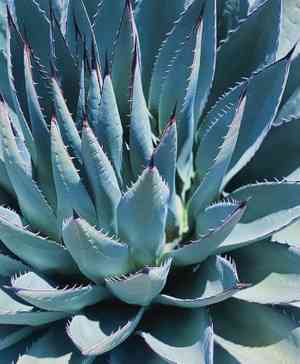
Agave americana is most effectively multiplied by separation during the spring or fall seasons. This procedure is quite straightforward and indicates success by the emergence of new shoots. Be sure to supply appropriate post-propagation care, such as sufficient hydration and light exposure, for peak development.
Optimal Time for Century Plant Propagation
Propagation Method
Division
Propagation Period
Spring, Autumn
Tools for Century Plant Propagation
Sharp, sterile knife or pruning shears
These are crucial for making clean cuts when separating offsets from the parent century plant, minimizing harm to plant tissues. A sharp tool ensures a precise incision, lowering infection risk and promoting faster healing. Sterilization prevents pathogen transmission to the cuts.
Gloves
Wearing sturdy gloves is essential when handling century plant to guard against its sharp spines and potentially irritating sap, ensuring safe propagation for the gardener.
Garden spade or trowel
Used for carefully digging around the base of century plant offsets. This tool helps in safely lifting the offset from the soil without damaging its roots or the offset itself. The appropriate size and strength are important for working in the soil of mature plants.
Rooting hormone powder or liquid
This can be applied to the cut surfaces of century plant offsets to encourage root development. It improves the chances of successful rooting and establishment after division.
Soil or potting mix suited for succulents
Ensures that century plant offsets have proper drainage and nutrient levels post-propagation. A well-draining medium is vital for preventing root rot in succulent plants like century plant.
Perlite or sand
When added to the soil mix, it enhances drainage capabilities, which is critical for century plant propagation to avoid waterlogged conditions that can lead to rot.
Pots with drainage holes
These are necessary for planting the offsets of century plant after separation. Adequate drainage is crucial for the health of newly propagated plants and prevents excess water accumulation at the roots.
Watering can with a fine rose
Gentle watering is needed after planting century plant offsets to avoid disturbing the fresh planting medium or damaging newly developing roots. A fine rose attachment provides a soft sprinkle of water that does not erode the soil.
How to Propagate Century Plant?
Propagation Type
Division
Difficulty Level
Easy
Caring for Your Newly Propagated Century Plant
Caring for Your Newly Propagated Century Plant
After propagation, century plant requires minimal care. Water only when the top inch of soil is dry, as overwatering can cause rot. Provide bright, indirect sunlight and protect from frost. As the plants mature, they require very little water, thriving in dry, arid conditions. Repotting may be necessary every few years to accommodate growth. Fertilization is not typically necessary but can be done with a balanced, water-soluble fertilizer diluted to half strength once during the growing season if needed.
Common Mistakes to Avoid When Propagating Century Plant
Overwatering after propagation
Excessive watering can lead to root rot, as century plant is drought-tolerant and requires well-draining soil. Too much moisture is harmful to new roots, reducing the plant's chance of thriving.
Using non-sterile tools
Unsterilized tools can introduce pathogens to century plant cuttings or offsets, causing disease and potentially killing the propagules before they can establish.
Planting cuttings too deep
Century plant cuttings should be planted shallowly. Planting them too deep may hinder proper aeration, discourage root formation, and risk rotting before rooting.
Ignoring pest and disease checks
Failing to check for pests and diseases before propagation may spread issues to new plants. Century plant can be vulnerable to pests like agave snout weevil, especially in the early stages of propagation.
Neglecting to harden off offsets
Without acclimatization, offsets of century plant may suffer from shock when moved from a sheltered environment to direct sun and weather conditions, impeding their growth.
Tips For Propagating Century Plant
Proper cut placement
Make clean cuts on offsets or pups from century plant to avoid damage. Cutting at the right place promotes healthier root growth and reduces the risk of disease.
Adequate spacing
Century plant requires space to establish its root system. Proper spacing is critical to prevent overcrowding and competition for resources, aiding successful propagation.
Use well-draining soil mix
Century plant thrives in well-draining soil that allows moisture to escape. A suitable soil mix prevents water retention and root rot, encouraging healthy root development.
Ensure proper light exposure
Century plant propagules need sufficient light, but not direct scorching sun. A balance of light encourages robust growth without causing heat stress to young plants.
Monitor moisture levels
While century plant does not require much water, maintaining consistent moisture levels promotes rooting. Overly dry conditions can be just as harmful as overwatering.



