How to Propagate Flossflower?
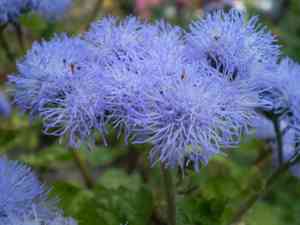
Flossflower is typically reproduced by planting seeds, ideally in the springtime. Although not excessively challenging, this propagation method demands perseverance. Thriving, emerging seedlings signify successful reproduction. Bear in mind that regulating humidity is crucial throughout the sprouting phase.
Optimal Time for Flossflower Propagation
Propagation Method
Seeding
Propagation Period
Spring
Tools for Flossflower Propagation
Seed trays
Seed trays offer a compact, organized area for sprouting, enabling simple control of temperature and moisture levels essential for flossflower seed germination.
Soilless potting mix
A sterile, soilless potting mix reduces the chance of soil-borne illnesses affecting flossflower during the crucial germination phase and provides a consistent texture for root development.
Fine mist spray bottle
A fine mist spray bottle delivers a gentle water spray that moistens the potting mix without disturbing or dislodging the tiny flossflower seeds, ensuring a stable environment for seed initiation.
Heating mat
A heating mat promotes consistent soil warmth, which benefits flossflower seed germination, especially in cooler climates or when ambient temperatures are not ideal for sprouting.
Grow lights
Grow lights provide a steady light source to ensure flossflower seedlings receive sufficient illumination for growth, particularly when natural daylight is inadequate indoors.
Plastic dome or cover
A plastic dome or cover helps maintain humidity and warmth, creating a microclimate favorable for flossflower seed germination and preventing the soil surface from drying out.
Tweezers
Tweezers allow for precise handling of flossflower seeds during planting and thinning of seedlings, preventing damage and ensuring proper spacing for optimal growth.
How to Propagate Flossflower
Propagation Method
Seeding
Difficulty Level
Simple
Caring for Newly Propagated Flossflower
Caring for Newly Propagated Flossflower
Flossflower thrives in locations with full sun to partial shade. After transplanting, water plants regularly to establish a robust root system. Flossflower benefits from a balanced, slow-release fertilizer applied every 4-6 weeks during the growing season. Removing spent flowers will encourage new blooms and prevent self-seeding if not desired. As flossflower is not frost-tolerant, provide protection or move containers indoors if temperatures fall below 50°F (10°C).
Common Mistakes to Avoid When Propagating Flossflower
Overwatering
Excessive water can lead to root rot in flossflower, as they prefer well-drained soil. Overwatering can cause oxygen deprivation, resulting in weak growth and increased disease susceptibility.
Deep planting
Placing flossflower cuttings or seeds too deep in the soil can hinder their ability to sprout and root, as they require light for germination and proper gas exchange.
Neglecting humidity
Flossflower cuttings need a humid environment to encourage root development. Insufficient humidity might cause the cuttings to dry out and fail to root.
Ignoring disease prevention
Not sterilizing tools or using clean pots for propagation can introduce pathogens to flossflower, leading to poor growth and potential plant loss.
Planting in poor soil
Using a growing medium that drains poorly or lacks nutrients can impede the root establishment and overall health of flossflower.
Tips For Propagating Flossflower
Use healthy donor plants
Select robust and disease-free parent plants for cuttings to increase the success rate of flossflower propagation.
Appropriate cutting size
For flossflower, cuttings should be approximately 3 to 4 inches long with several sets of leaves, to provide sufficient energy for root development.
Rooting hormone
Applying a rooting hormone to the cut end of flossflower cuttings can enhance root initiation and development.
Moderate watering
Flossflower seeds and cuttings prefer consistent moisture but should not be waterlogged. Allow the soil to dry slightly between waterings.
Provide indirect light
Flossflower propagates best under bright but indirect sunlight, which promotes growth without causing damage to delicate new growth.



