How to Propagate Common corncockle?
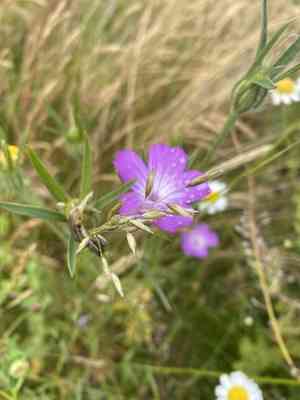
This species, an attractive yet quite resilient wild bloom, generally reproduces via seeds. Effective growth entails placing them in soil that drains well and receives abundant sunlight, replicating their native habitat. For peak germination, scatter the seeds on the surface since common corncockle needs light to sprout. Press them into the earth but avoid covering. Keep the soil moderately damp without waterlogging to foster emergence. Germination can be inconsistent, so planting additional seeds might be advantageous to guarantee successful growth.
Optimal Propagation Period for Common Corncockle
Propagation Type
Sowing
Propagation Season
Spring
Essential Tools for Common Corncockle Propagation
Seed trays
Seed trays are crucial for germinating common corncockle seeds. These shallow containers provide ample room for initial root development without competition. Their divided sections help organize and manage various seed quantities, ensuring each seedling receives sufficient nutrients and space for proper growth.
Quality potting mix
A premium potting mix is vital for common corncockle, offering the ideal soil conditions for germination and development. The mixture should drain well and possess a balanced nutrient profile. Incorporating vermiculite or perlite into the potting mix improves aeration and moisture retention, which is critical during common corncockle's germination phase.
Misting spray bottle
A misting spray bottle is used to gently moisten common corncockle seeds without dislodging them. The fine mist delivers the necessary moisture for germination and helps maintain consistent dampness in the topsoil layer without waterlogging, which is crucial for common corncockle's delicate seeds.
Heat mat
A heat mat is advisable for maintaining a consistent and ideal soil temperature, especially in cooler environments. Common corncockle germinates best at stable temperatures, and a heat mat can help regulate soil warmth, promoting faster and more successful germination rates.
Grow lights
Grow lights are particularly beneficial if common corncockle is propagated indoors or in areas with limited natural light. These specialized lights mimic sunlight, essential for photosynthesis in young plants, encouraging robust growth and preventing seedlings from becoming elongated or weak.
How to Propagate Common Corncockle?
Propagation Type
Easy
Caring for Your Newly Propagated Common Corncockle
Caring for Your Newly Propagated Common Corncockle?
Post-propagation, common corncockle requires full sun and well-drained soil to flourish. Water plants regularly, especially during dry periods, but avoid overwatering. Fertilize sparingly, as common corncockle does not demand high fertility. Monitor for pests and diseases, addressing them as needed. Remove spent flowers to encourage continuous blooming and prevent excessive self-seeding, which can lead to common corncockle becoming invasive in some regions.
Common Mistakes to Avoid When Propagating Common Corncockle
Overwatering
Excessive watering can cause root rot in common corncockle, which is particularly sensitive to too much moisture around its roots. Soggy conditions can also foster fungal infections.
Deep Sowing
Planting common corncockle seeds too deeply can result in poor or failed germination. Common corncockle seeds need adequate light and cannot penetrate dense soil effectively.
Ignoring Soil Composition
Using soil that lacks proper drainage or is overly rich in nutrients can create problems for common corncockle. It prefers well-drained soil with moderate fertility.
Neglecting Light Exposure
Insufficient light exposure can weaken common corncockle, as the plant needs ample sunlight to thrive. A lack of sun can lead to spindly growth and poor flowering.
Overcrowding
Planting common corncockle seeds too closely together can hinder proper growth due to competition for resources. This can result in smaller plants with reduced vigor.
Tips For Propagating Common Corncockle
Sowing Depth
Sow common corncockle's seeds shallowly, about 1-2 times their diameter, to ensure sufficient light for germination and easy emergence from the soil.
Light and Location
Choose a propagation site that receives full sunlight. Ensuring common corncockle gets ample light will support robust growth and optimal flowering.
Soil Type
Utilize well-draining soil with moderate fertility when planting common corncockle. Avoid heavy soils and extremely nutrient-rich substrates that could impede growth.
Watering Schedule
Water common corncockle seeds and seedlings carefully, allowing the soil to dry out somewhat between waterings. This helps prevent root rot and other moisture-related issues.
Spacing
Space common corncockle seeds or seedlings adequately apart to ensure each plant has enough room to grow and access to nutrients, supporting overall plant health and flower development.



