How to Propagate Giant onion?
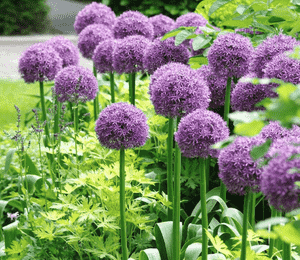
Giant onion is most effectively multiplied in the springtime, utilizing its underground storage organs. This procedure is quite straightforward, with the appearance of fresh sprouts signaling successful multiplication. Guarantee appropriate tuber preservation and sow at the correct depth to achieve the best outcomes.
Optimal Time for Giant Onion Propagation
Propagation Method
Utilize The Tubers
Propagation Period
Spring
Tools for Giant Onion Propagation
Trowel
A trowel serves to excavate small holes and transfer giant onion tubers into the ground. Its pointed tip allows for precise placement of tubers at the correct depth, crucial for giant onion's firm establishment.
Soil Knife
This instrument is effective for separating tubers with minimal harm, as giant onion can be multiplied by dividing its tubers. The soil knife's serrated edge facilitates clean cuts through soil and roots, enabling efficient division.
Garden Fork
A garden fork is employed to loosen and aerate the soil prior to planting giant onion's tubers. It is essential for preparing the soil to ensure proper drainage and to simplify planting tubers at the correct depth.
Watering Can with Fine Rose
The watering can equipped with a fine rose attachment is perfect for gently irrigating giant onion post-planting. Gentle watering aids in tuber establishment without eroding or compacting the surrounding soil.
Planting Labels
Planting labels are utilized to identify and monitor the planted giant onion tubers. Proper labeling assists in the upkeep and observation of propagation areas and in providing specific care for giant onion as it develops.
Gloves
Wearing gloves is important for hand protection when handling soil and giant onion's tubers, and to prevent the transmission of soil-borne pathogens.
Measuring Stick
A measuring stick helps ensure that giant onion tubers are planted at the recommended depth and spacing. Consistent planting depth and spacing are vital for optimal growth and development.
How to Propagate Giant Onion?
Propagation Method
Utilize The Tubers
Difficulty Level
Easy
Caring for Newly Propagated Giant Onion
Caring for Newly Propagated Giant Onion
After propagation, continue to care for giant onion by watering when the soil surface is dry, avoiding excessive moisture. Apply a balanced fertilizer annually in early spring. As giant onion prefers full sun, ensure they are situated accordingly. Remove spent blooms if desired for aesthetic reasons, but note that leaving seed heads can offer winter interest.
Common Errors to Avoid When Propagating Giant Onion
Overwatering
Watering giant onion too often during propagation can lead to bulb rot. The plant prefers well-drained soil and can succumb to fungal diseases if the soil is too wet, harming developing roots and potentially killing young plants.
Planting depth
Planting giant onion bulbs too shallow or too deep can negatively impact their ability to sprout and establish. Correct bulb depth is crucial; too deep and bulbs may not emerge, too shallow and they can be exposed to surface elements and potential predators.
Crowding bulbs
Planting giant onion bulbs too close together can restrict their growth due to competition for resources. This can result in smaller plants and flowers and increase the likelihood of disease spreading among the bulbs.
Ignoring soil quality
Failing to use well-draining, nutrient-rich soil can impede giant onion's growth. This plant thrives in soil that provides adequate drainage and sufficient nutrients for optimal health and flowering.
Improper bulb storage
Storing giant onion bulbs in a manner that exposes them to excessive moisture or extreme temperatures can damage the bulbs before planting. Proper storage conditions are vital for maintaining bulb viability.
Tips For Propagating Giant Onion
Bulb division
Dividing giant onion bulbs every few years promotes rejuvenation and prevents overcrowding. It also increases the number of plants one can cultivate, aiding in their propagation and ensuring a healthy and vibrant display.
Appropriate planting depth
Plant giant onion bulbs at a depth approximately three times their height. This helps ensure the bulbs have adequate protection from the elements and sufficient energy to emerge successfully.
Soil preparation
Amending the soil with compost or well-rotted manure before planting giant onion can provide a rich growing medium, essential for healthy root development and vigorous plant growth.
Adequate spacing
Ensure giant onion bulbs are spaced correctly, generally about 8 to 12 inches apart, to provide ample room for growth and sufficient air circulation, reducing the risk of disease.
Careful watering
Water giant onion after planting to help settle the soil around the bulbs and give them a good start. Afterward, only water when the soil is dry to the touch to avoid the pitfalls of overwatering.



