How to Propagate Eastern bluestar?
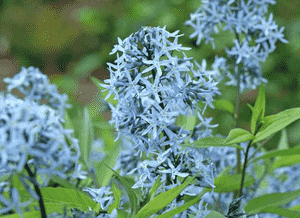
The favored method for propagating Amsonia tabernaemontana is by seeding during the prime period of spring. This propagation process is quite straightforward, indicated by robust root formation and the emergence of fresh leaves. Provide a growing medium that drains effectively and maintain steady hydration for the best outcomes.
Optimal Time for Eastern Bluestar Propagation
Propagation Method
Seeding
Propagation Period
Spring
Tools for Eastern Bluestar Propagation
Seed trays
Utilized for initiating eastern bluestar seeds within a regulated setting. They facilitate effortless management of humidity levels and temperature, both vital for successful sprouting. These trays also aid in organizing the seeding process, ensuring uniform seed distribution and proper soil coverage.
Soil mix
Supplies the essential substrate for eastern bluestar seed germination. A well-draining soil blend is crucial to prevent waterlogging, which can cause seed decay. Incorporating perlite or vermiculite can improve drainage and aeration around the seeds.
Plastic domes or clear covers
These are positioned over seed trays to create a miniature greenhouse effect, maintaining high humidity and stable temperatures for eastern bluestar seeds. This environment promotes germination and helps prevent rapid soil drying.
Watering can with a fine rose
Ensures a gentle, even water distribution over eastern bluestar seeds, without dislodging them or causing soil erosion. It's vital for keeping the soil moist without over-saturating, which is critical during the sprouting phase.
Heating mat
Can be placed beneath seed trays to provide warmth from below, which may accelerate eastern bluestar seed germination. Consistent warmth is especially beneficial for seeds needing higher temperatures to break dormancy.
Grow lights
If natural light is insufficient, particularly during the initial stages of eastern bluestar seedling development, grow lights can supply the necessary light spectrum for photosynthesis. Adequate lighting supports healthy growth and prevents seedlings from becoming elongated.
Labels or markers
Used to identify trays or containers holding eastern bluestar seeds, especially when propagating multiple plant varieties. Keeping track of the sowing date and other details prevents confusion and assists in proper seed care during propagation.
How to Propagate Eastern Bluestar
Propagation Method
Seeding
Difficulty Level
Simple
Caring for Your Newly Propagated Eastern Bluestar
Caring for Your Newly Propagated Eastern Bluestar
Following propagation, eastern bluestar requires moderate upkeep. Water young plants regularly to establish a robust root system. Eastern bluestar is drought-tolerant once mature, so reduce watering frequency. Apply a mulch layer to retain moisture and suppress weeds. Fertilize lightly in spring with a balanced slow-release fertilizer. Remove spent blooms to encourage a neat appearance. Monitor for pests and diseases, though eastern bluestar is relatively pest-resistant. Prune eastern bluestar back to the ground in late winter to early spring to promote new growth and maintain a compact form.
Common Errors to Avoid When Propagating Eastern Bluestar
Overwatering cuttings
Excessive watering of eastern bluestar cuttings can lead to root decay and fungal infections. Too much moisture reduces oxygen availability for developing roots, hindering their growth and potentially causing the cuttings to perish.
Planting too deeply
Burying eastern bluestar cuttings or divisions too far down can suffocate new roots, preventing them from accessing vital oxygen. This results in stunted development or complete propagation failure.
Ignoring root system spread
Underestimating the necessary space for eastern bluestar's root system can lead to overcrowded planting, limiting nutrient and water access for each plant, resulting in weaker growth and lower survival rates.
Neglecting aftercare
Failing to provide proper post-propagation care for eastern bluestar can lead to shock and poor establishment. Without appropriate acclimatization and monitoring, the new plants may not survive the transition to a new growing environment.
Tips for Propagating Eastern Bluestar
Adequate moisture control
Ensuring the soil is consistently damp but well-draining is vital for eastern bluestar's root development. Using a soil mixture that retains moisture without becoming waterlogged can significantly boost propagation success.
Appropriate rooting medium
Utilizing a sterile and airy rooting medium enhances the chances of successful root formation for eastern bluestar. A blend of perlite, vermiculite, or sand and peat can provide the ideal balance for growth.
Proper planting depth
Cuttings or divisions of eastern bluestar should be planted at the correct depth, typically at the same level they were previously growing. This promotes a strong, healthy root system.
Gradual acclimatization
Once eastern bluestar has been propagated, it's essential to gradually introduce the new plants to their outdoor environment. A period of adjustment in a sheltered spot helps young plants cope with relocation stress.
Regular monitoring
Consistently checking moisture levels, rooting progress, and signs of stress or disease can identify issues early, increasing the survival rates of eastern bluestar's propagated plants. Prompt adjustments based on observations are key to successful establishment.



