How to Propagate Japanese angelica tree?
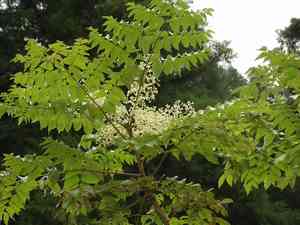
The Japanese angelica tree can be successfully multiplied using cutting procedures. For this approach, choose robust semi-hardwood branches from the present year's growth. Utilize a keen, sanitized cutting implement to guarantee precise incisions and prevent the spread of pathogens. Sustaining humidity and warmth is vital for fostering root formation. Think about applying rooting stimulant to boost root growth and place your cuttings in a well-draining, rich medium, under diffused illumination until the root system is firmly set.
What Is the Best Time To Propagate Japanese Angelica Tree?
Propagation Type
Cutting
Propagation Season
Autumn,Winter
What Tools Are Used in Japanese Angelica Tree Propagation?
Sharp pruning shears
These shears are vital for making clean, healthy cuts from japanese angelica tree without harming the parent plant or the cuttings. Sharp blades ensure a smooth cutting process, reducing the risk of crushing or tearing plant tissues, which can lead to infections and poor rooting success.
Rooting hormone powder or gel
Rooting hormone encourages root growth in japanese angelica tree's cuttings, improving the chances of successful propagation. This product is applied to the freshly cut base of the cutting before planting, significantly increasing the likelihood of root formation.
Sterile potting mix
A sterile potting mix is crucial to prevent the introduction of pathogens to the new cuttings of japanese angelica tree. The mix should offer good drainage yet retain enough moisture to support root growth without becoming waterlogged, creating an ideal environment for japanese angelica tree's roots to develop.
Propagation trays
Propagation trays are used to organize and manage multiple cuttings of japanese angelica tree in a confined space. These trays should allow for good air circulation and drainage, which are essential for preventing rot and promoting healthy root development.
Heat mat
Given japanese angelica tree's potential temperature sensitivity during the initial stages of root development, a heat mat can be used to maintain a consistent and appropriate temperature. This tool is particularly beneficial in cooler climates or during colder times of the year, promoting faster and more robust root growth.
Misting bottle
A misting bottle is used to gently water the cuttings of japanese angelica tree, preventing them from drying out while avoiding excessive moisture that can lead to fungal growth. Regular misting helps maintain optimal humidity around the cuttings, which is critical for encouraging root growth.
How to Propagate Japanese Angelica Tree?
Propagation Type
Moderately Difficult
How to Care for Your Newly Propagated Japanese Angelica Tree?
How to Care for Your Newly Propagated Japanese Angelica Tree?
After rooting, gradually introduce the new japanese angelica tree plant to less humid conditions by intermittently removing the plastic bag or opening the propagator. Continue to keep the soil moist but not waterlogged and place the plant in an area with indirect light. Once established, japanese angelica tree prefers a well-lit location with some direct sunlight and regular watering while ensuring proper drainage. Avoid overwatering as japanese angelica tree is susceptible to root rot. Fertilize with a balanced, slow-release fertilizer according to the product directions to support healthy growth.
Common Mistakes to Avoid When Propagating Japanese Angelica Tree
Overwatering
Excessive watering of cuttings or seedbeds can lead to root rot and fungal diseases, hindering the growth of japanese angelica tree.
Deep planting
Inserting cuttings too deep into the substrate can reduce oxygen availability and impede root formation in japanese angelica tree.
Neglecting humidity
Failing to maintain adequate humidity levels around japanese angelica tree cuttings can result in desiccation and poor root development.
Ignoring cleanliness
Using unsterilized tools or containers can introduce pathogens, which may prevent successful propagation of japanese angelica tree.
Inadequate light
Positioning japanese angelica tree cuttings or seeds in too much shade can lead to weak growth, while too much direct sunlight can cause scorching.
Tips For Propagating Japanese Angelica Tree
Appropriate watering
Provide japanese angelica tree with consistent moisture but avoid waterlogging to encourage healthy root development without inviting disease.
Shallow planting
Plant japanese angelica tree cuttings shallowly to ensure adequate oxygen access and promote stronger root systems.
Humidity control
Use a humidity dome or plastic wrap to conserve moisture around japanese angelica tree cuttings without making the environment excessively wet.
Use sterile tools
Always use sterilized pruning shears and pots for japanese angelica tree propagation to minimize the risk of disease transmission.
Balanced light exposure
Provide japanese angelica tree with bright, indirect light to support vigorous growth without the risk of leaf burn.



