How to Propagate Devil's walking stick?
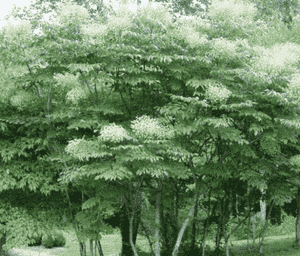
Aralia spinosa propagates most effectively in the fall and winter seasons via cutting and layering techniques. Its propagation presents a moderate challenge. Successful propagation is indicated by robust new development and root formation. Ensure adequate hydration during the propagation phase for peak outcomes.
Optimal Period for Propagating Devil's Walking Stick
Propagation Method
Cutting
Propagation Period
Autumn,Winter
Tools Required for Devil's Walking Stick Propagation
Sharp pruning shears or knife
Crucial for taking cuttings from devil's walking stick, these instruments allow propagators to make clean, precise cuts without harming the parent plant. Sharp tools minimize infection risk and promote faster healing for both the cutting and the parent devil's walking stick.
Rooting hormone powder or gel
Applied to the base of devil's walking stick cuttings, rooting hormones speed up root formation and boost propagation success. Using rooting hormones can significantly increase the rate at which cuttings take root, especially vital for devil's walking stick, which might otherwise root slowly or with difficulty.
Sterile potting mix
Used for planting devil's walking stick cuttings, a sterile, well-draining potting mix offers an ideal setting for root development while reducing the chance of soil-borne diseases. It ensures devil's walking stick cuttings receive necessary nutrients and air circulation for healthy root growth.
Propagation tray or pots
Containers where devil's walking stick cuttings are placed to root. These should provide ample room for root growth and have sufficient drainage to prevent waterlogging, which can cause rot and negatively affect the cutting's health during propagation.
Clear plastic bags or domes
Creating a miniature greenhouse effect, these items help maintain humidity around devil's walking stick cuttings. A moist environment prevents cuttings from drying out before rooting, which is critical for the delicate initial propagation stages.
Heating mat (optional)
While not essential, a heating mat can provide beneficial bottom warmth to devil's walking stick cuttings, encouraging rapid and robust root growth. This is especially useful in cooler climates or during colder months when ambient temperatures might be too low for optimal rooting of devil's walking stick.
Labels and a waterproof marker
To keep track of devil's walking stick cuttings, particularly when propagating multiple plants simultaneously, labels and a waterproof marker are useful. Accurate labeling helps monitor each cutting's progress and maintain a proper propagation schedule.
Post-Propagation Care for Your Devil's Walking Stick
Post-Propagation Care for Your Devil's Walking Stick
Once the devil's walking stick cutting develops a strong root system and shows new growth, typically within weeks to a couple of months, gradually introduce the young plant to drier conditions by removing the plastic cover for longer periods daily. Transplant it to a larger pot or a suitable outdoor spot, remembering that devil's walking stick prefers partial shade to full sun and rich, well-drained soil. Water the young plant regularly, especially during dry spells, and apply an annual mulch to retain soil moisture and regulate temperature. Monitor for pests and diseases, treating as needed while the plant establishes itself.
Common Errors to Avoid When Propagating Devil's Walking Stick
Overwatering
Propagating devil's walking stick requires balanced soil moisture. Excessive watering can lead to root rot, compromising the root system and potentially killing the plant. This error often occurs because gardeners want to keep cuttings or seedlings hydrated, but devil's walking stick does not tolerate waterlogged soils.
Deep planting
When sowing devil's walking stick seeds, a common mistake is burying them too deeply. This species' seeds need light for effective germination; thus, deep planting can hinder germination, delaying or preventing new growth.
Neglecting humidity
Devil's walking stick cuttings thrive in high humidity during root development. Failing to create a humid environment can cause desiccation and prevent cuttings from rooting.
Overcrowding seedlings
Gardeners sometimes plant devil's walking stick seedlings too close, limiting their access to light and air circulation. This can lead to fungal diseases and stunt seedling growth due to competition for resources.
Tips for Propagating Devil's Walking Stick
Soil preparation
Prepare a well-draining soil mix for devil's walking stick propagation to ensure excess water can escape, preventing potential root rot. A mix with perlite or sand can improve drainage.
Seed surface sowing
For devil's walking stick seed propagation, sow seeds on the soil surface or cover them lightly. This optimizes light exposure, which is vital for the germination of devil's walking stick seeds.
Humidity control
Keep devil's walking stick cuttings in a humid environment, such as by using a plastic cover or a humidity dome. This helps retain moisture in the air around the cuttings and promotes rooting.
Adequate spacing
Ensure devil's walking stick seedlings are spaced appropriately when planting. This promotes healthy growth by providing ample air circulation and reducing the risk of fungal infections.



